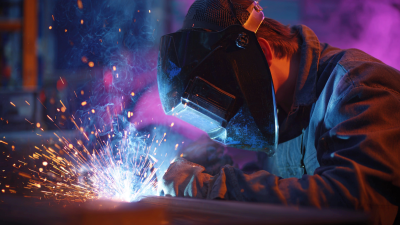
You know, when it comes to welding, picking the right electrode is super important. Back in 2020, the worldwide demand for welding electrodes hit around 4.5 million tons, and it's expected to grow by about 3% each year. Finding the perfect electrode can really make a difference — it can boost both your weld quality and efficiency. High-quality electrodes tend to produce cleaner, stronger welds, and that just makes your job easier.
Now, there are tons of manufacturers out there—like Lincoln Electric and ESAB—that offer a wide range of options, with different coatings, diameters, and compositions. It’s great to have choices, but it can also get pretty confusing trying to figure out which one's best for what you’re doing. A lot of folks tend to overlook the importance of matching the electrode to their specific application, and that’s where things can go south.
And if that’s not enough, the type of welding process you’re using adds another layer of complexity. Whether you’re into stick welding, MIG, or TIG, each process calls for a different type of electrode. A report from Research and Markets even says that about 25% of buyers pick electrodes without really knowing if they’re the right fit—which can lead to disappointing results or subpar welds. That’s why it’s so important to do your homework; knowing what to look for helps you pick the best electrode for your specific needs, making the whole welding process smoother and more successful.

Overview of Welding Electrodes: Types and Applications
Welding electrodes are critical components in the welding industry. They serve as the conduit for electric current, transferring heat to fuse metals together. Various types of electrodes are available, each tailored for specific applications.
For example, SMAW (Shielded Metal Arc Welding) electrodes are popular for maintenance and repair. They work well for low-alloy steel and can endure harsh conditions. In contrast, GTAW (Gas Tungsten Arc Welding) electrodes are ideal for thin materials and delicate work. The choice of electrode significantly affects the welding process's outcome and efficiency.
Tips: Always consider the base material when selecting an electrode. It can improve the weld quality. Don't overlook the importance of coating type. Coatings affect spatter, penetration, and appearance.
Moreover, market research indicates that electrodes' sales are expected to reach $6 billion by 2025, showing steady growth in demand. Despite advancements, some welding professionals still struggle with the selection of the right electrode for their needs. Ongoing training and education can enhance their skills and knowledge.
Understanding the differences between electrode types can help improve overall performance. Exploring various options will ensure the right fit for your specific projects.
Factors to Consider When Choosing Welding Electrodes
When selecting welding electrodes, several crucial factors must be considered. Understanding the type of welding you plan to undertake is vital. For instance, SMAW (Shielded Metal Arc Welding) often utilizes different electrodes compared to GMAW (Gas Metal Arc Welding). The American Welding Society highlights that electrode diameter significantly impacts heat input and penetration.
Material compatibility is another pressing concern. Ensure the electrode matches the base material. For example, carbon steel typically requires a specific type of electrode, while stainless steel has distinct needs. Reports indicate that improper electrode choices can lead to weld defects, affecting structural integrity.
**Tip:** Always check the material specifications and required electrode types before commencing your project.
Additionally, consider the coating on the electrode. The coating type affects the weld’s stability and cleanliness. Certain coatings may produce more slag, requiring additional cleanup. Research from industry surveys reveals that welders often underestimate the impact of electrode coating on final results.
**Tip:** Experiment with various coatings to discover what works best for your applications.
Training and experience play critical roles too. Even with the best electrodes, a well-trained welder can make a significant difference. Remember, improper welding techniques can negate the benefits of high-quality electrodes. Always practice and refine your skills continuously.
Popular Welding Electrode Materials and Their Features
Welding electrodes come in various materials, each with unique features suited for different applications. The most common types include mild steel, stainless steel, and cast iron electrodes.
Mild steel electrodes are popular due to their versatility and high strength. They typically feature a low hydrogen content, which reduces the risk of cracking in welded structures.
Stainless steel electrodes offer excellent corrosion resistance, making them ideal for marine and industrial applications. According to a recent industry report, the demand for stainless steel electrodes is consistently rising, due to the growing need for durable and long-lasting solutions. Cast iron electrodes are often used for repairing cast iron structures, providing good results even with their more specialized requirements.
Tips: Always choose the electrode based on the specific materials you are welding. It can save time and improve the quality of the weld. Consider the environment; factors like humidity can affect electrode performance. Testing different options can lead to better results, yet the choice is sometimes not straightforward. Be mindful of possible mismatches leading to weld issues. Exploring multiple sources of information helps to make informed decisions.
Comparative Analysis of Welding Electrodes for Different Metals
When selecting welding electrodes, understanding the material is crucial. Different metals require specific types of electrodes for optimal results. For instance, mild steel often utilizes E6011 or E6013 electrodes. These options provide good penetration and a smooth finish. However, choosing the wrong electrode can lead to poor weld quality.
Stainless steel welding often involves the use of E308L or E316L electrodes. These electrodes are designed to withstand corrosion and high temperatures. But, they can be challenging to work with. Proper technique and setting adjustments are essential. On the other hand, cast iron requires specialized electrodes, such as those with nickel content, for effective bonding. This can complicate the welding process and demands a skilled hand.
Every metal type generates unique challenges. For example, aluminum welding may need AC or DC electrodes, depending on the alloy. Experimenting with different settings can yield varied results. Each type of electrode has its strengths and weaknesses. Analyzing your specific needs will guide your selection for optimal welding performance.
Global Market Trends in Welding Electrode Manufacturing
The global market for welding electrodes is witnessing significant changes. According to a recent report by MarketsandMarkets, the welding electrode sector is expected to grow from $12.4 billion in 2023 to $15 billion by 2028, reflecting a compound annual growth rate (CAGR) of 3.7%. This growth is largely driven by the rise in industrial manufacturing and infrastructure projects across various regions. Emerging economies like India and Brazil are investing heavily in their manufacturing sectors, thereby increasing the demand for high-quality welding electrodes.
Despite this positive trajectory, challenges persist. Fluctuations in raw material prices affect production costs. For example, steel prices have increased over the past few years due to supply chain disruptions. This has led small manufacturers to reconsider their sourcing strategies. As noted by the International Institute of Welding, maintaining quality while managing costs remains a constant struggle. Furthermore, innovations in electrode technology, such as the development of multi-purpose electrodes, are not yet widely adopted in some markets, indicating room for improvement.
Industry experts emphasize the importance of sustainability. Increasingly, clients seek environmentally friendly welding solutions. A survey by the American Welding Society found that over 60% of buyers prioritize eco-efficiency when choosing electrode options. As manufacturers adapt to these market demands, they will need to balance performance with environmental responsibility. Understanding these trends is crucial for global buyers navigating the landscape of welding electrodes.
Best Electrode For Welding Options for Global Buyers
| Electrode Type |
Welding Application |
Material Compatibility |
Global Market Share (%) |
Key Regions |
| MMA Electrode |
Stick Welding |
Steel, Cast Iron |
25% |
Asia, Europe |
| TIG Electrode |
Tungsten Inert Gas Welding |
Aluminum, Stainless Steel |
20% |
North America, Oceania |
| MIG Electrode |
Gas Metal Arc Welding |
Mild Steel, Copper |
30% |
Worldwide |
| Submerged Arc Electrode |
Submerged Arc Welding |
Steel, Low Alloy Steel |
15% |
Europe, Asia |
| Flux-Cored Electrode |
Flux-Cored Arc Welding |
Mild Steel, Stainless Steel |
10% |
North America, Asia |
Best Practices for Storing and Handling Welding Electrodes
Proper storage and handling of welding electrodes are essential for achieving high-quality welds. Humidity can severely impact electrodes. When exposed to moisture, they can absorb water, leading to weld defects. Therefore, storing electrodes in a dry environment is crucial. Using sealed containers can help maintain dryness. It is also important to avoid storing them on the floor. Elevating electrodes off the ground protects them from moisture and dust.
Handling is just as important as storage. Always inspect electrodes for damage before use. Cracked or contaminated electrodes can lead to poor weld quality. Additionally, keep them clean and dry during the welding process. Wiping them with a cloth can remove any contaminants. This practice enhances the weld’s integrity. It’s worth noting that even small mistakes in handling can cause significant issues.
Another aspect to consider is the shelf life of electrodes. Each type has its own expiration date. Using expired electrodes can compromise weld strength. Keep track of dates and rotate stock accordingly. Regular checks will ensure you always have reliable electrodes on hand. This attention to detail in both storage and handling ultimately leads to better welding results.
Best Electrode Options for Welding
This chart provides an overview of the different types of welding electrodes and their respective usage proportions. MMA electrodes are the most commonly used, followed by MIG wires and TIG electrodes, indicating their popularity in various welding practices.
Future Innovations in Welding Electrode Technology
The future of welding electrode technology is promising. Innovations are emerging, focusing on efficiency, durability, and sustainability. Researchers are exploring advanced materials to enhance the properties of electrodes. For instance, nano-coatings can improve performance in extreme conditions.
Tips: Always review new technologies. Not all advancements may suit your welding needs.
Additionally, smart welding electrodes are on the horizon. These electrodes can provide real-time data during the welding process. Such feedback can help welders adjust parameters on the fly for optimal performance. However, these technologies still need extensive testing in various environments.
Tips: Look for user feedback before adopting new technology. Stay informed about the latest trends.
Sustainability is also a key focus. Manufacturers aim to create eco-friendly electrodes without compromising performance. This shift may require welders to adapt to new materials and techniques, potentially presenting challenges in the transition.
FAQS
: Welding electrodes transfer electric current, generating heat to fuse metals together effectively.
Consider the material type, welding method, and electrode coating to ensure a proper fit.
Selecting the right electrode for the base material prevents weld defects and ensures structural integrity.
Coating type impacts weld stability, spatter, and cleanliness. Different coatings produce varying amounts of slag.
Training improves skills, which is vital. Even good electrodes can yield poor results with improper techniques.
Use specific electrodes like E308L or E316L, as they tolerate high temperatures but require careful handling.
Mild steel, cast iron, and aluminum all require unique electrodes and settings for successful welding.
Many underestimate the impact of electrode choice. Continuous education and practice can help.
Diameter influences heat input and penetration. Selecting the correct size affects weld quality.
Yes, trying different coatings can help identify the best match for your specific welding applications.
Conclusion
The article titled "Best Electrode For Welding Options for Global Buyers" provides a comprehensive overview of welding electrodes, detailing their various types and applications in the industry. It emphasizes the importance of selecting the right electrode for welding by considering factors such as material compatibility and specific welding techniques. The article also explores popular welding electrode materials and their unique features, alongside a comparative analysis focused on their performance with different metals.
Furthermore, the piece discusses current global market trends in welding electrode manufacturing and offers best practices for the proper storage and handling of these essential tools. Looking ahead, it also touches on potential future innovations in welding electrode technology that may enhance efficiency and productivity in welding processes. Overall, this summary encapsulates the critical aspects of selecting the appropriate electrode for welding, ensuring optimal performance across various applications.