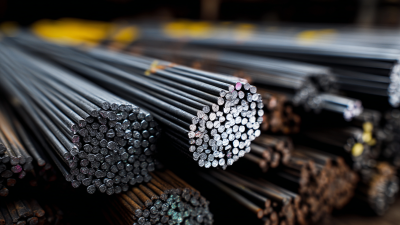
Welding can be pretty complex, and picking the right filler rod is actually a really big deal when it comes to making sure your finished product is both strong and lasts a long time. Like John Smith from WeldTech Solutions points out, "Choosing the right filler rod can really be a game-changer for getting a sturdy, precise weld that holds up over time." Honestly, with so many options out there, it’s super helpful to understand the different kinds of filler rods and what they’re best used for—otherwise, it’s easy to get overwhelmed.
Filler rods aren’t just some accessories you throw in; they’re key components that give your welds the strength and stability they need. Whether you’re working with stainless steel, aluminum, or other metals, picking the right filler rod can totally impact not just how strong your weld is, but also how good it looks. Things like chemical makeup, thickness, and what you’re aiming to do all matter—and keeping these in mind can help you customize your approach for each project.
Plus, making sure your filler rod is compatible with the base material can save you a lot of headaches and boost your welding game. As technology keeps improving, it’s pretty important to stay up-to-date on the latest in filler rod materials and techniques—that way, you can sharpen your skills and get better results. In the end, choosing the right filler rod isn’t just about the immediate project; it’s an investment in making sure your welds are reliable, durable, and even kinda flawless—one step closer to professional-quality work.

Understanding Filler Rods: Definition and Types in Welding
Filler rods play a crucial role in welding, serving as the material that the welder adds to the joint to create a strong bond between the base metals. Understanding the different types of filler rods available is essential for achieving optimal results in various welding projects. Typically, filler rods can be categorized based on the welding process, such as TIG (Tungsten Inert Gas), MIG (Metal Inert Gas), and Stick welding. Each process requires filler rods made from compatible materials that match the base metals to ensure effective fusion.
When selecting the right filler rod, it is vital to consider the material you are working with. For instance, stainless steel, aluminum, and carbon steel all require specific filler rods designed to match their chemical and physical properties. Additionally, factors such as the diameter of the rod, the type of coating (if any), and the desired weld appearance should influence your choice. Understanding these variables helps welders achieve stronger welds and enhances the overall quality of their projects.
Key Factors to Consider When Selecting Filler Rods for Projects
When selecting the right filler rods for your welding projects, it's essential to consider several key factors that can significantly impact the quality and efficiency of your work. First, determine the type of welding process you will be using, such as MIG, TIG, or stick welding, as different processes require specific types of filler rods. For example, stainless steel welding electrodes are ideal for projects that demand corrosion resistance and strength, while carbon steel rods are suitable for general-purpose applications.
Another critical aspect to consider is the material compatibility. Ensure that the filler rod material matches the base metals you are welding. This is particularly important for achieving strong, durable welds. Additionally, the diameter of the filler rod can affect the heat input and the weld pool size, influencing the overall appearance and strength of the weld. At Wenzhou Tianyu Electronic Co., Ltd., we have been dedicated to providing high-quality welding electrodes and consumables for over 22 years, ensuring that welders have access to the right tools for their specific needs.
Material Compatibility: Matching Filler Rods with Base Metals
When choosing the right filler rod for your welding project, understanding material compatibility is crucial. Different base metals require specific filler rods that can effectively bond with them. For instance, when working with aluminum, it is essential to select a filler rod that has a composition suitable for aluminum alloys, such as 4047 or 5356. On the other hand, stainless steel works best with filler rods like ER308 or ER316, which are designed to prevent corrosion and ensure a strong weld.
**Tips:** Always consider the heat treatment of the base metal when selecting a filler rod. For example, if your project involves heat-treated aluminum, ensure the filler rod can maintain the necessary strength and ductility after welding. Additionally, checking the matching of mechanical properties such as tensile strength and elongation can help avoid issues like cracking or warping in the final product.
Another important aspect is to be aware of the welding process you plan to use. Gas Tungsten Arc Welding (GTAW) requires different filler rods compared to Shielded Metal Arc Welding (SMAW). Each method has its own compatibility standards. **Tips:** Use the correct diameter of the filler rod as this affects the heat input and penetration, leading to better results in your welding projects.
Material Compatibility of Filler Rods with Base Metals
Welding Process Types and Their Impact on Filler Rod Selection
When selecting the best filler rods for welding projects, understanding the various welding process types is crucial. Different techniques, such as MIG, TIG, and Stick welding, require specific filler materials to ensure optimal results. For example, TIG welding typically uses a non-consumable tungsten electrode, which is complemented by filler rods made from the same material as the base metals, such as stainless steel for stainless steel applications. In contrast, MIG welding relies on consumable wire that combines filler material and shielding gas, making the choice of wire diameter and alloying elements vital to the project's success.
Wenzhou Tianyu Electronic Co., Ltd., with over two decades of experience in producing welding electrodes and consumables, understands that selecting the right filler rod goes beyond just compatibility with the base metal. The company's product range, including stainless steel, carbon steel, and low alloy welding electrodes, is tailored to meet the diverse demands of various welding processes. By providing high-quality materials designed specifically for each application, Wenzhou Tianyu ensures that welders can achieve strong, reliable joints that withstand the rigors of their respective industries.
Industry Standards and Specifications for Filler Rods
When selecting the appropriate filler rod for welding, understanding industry standards and specifications is crucial for achieving optimal results. Filler rods are classified based on material composition, diameter, and intended applications, which are governed by organizations such as the American Welding Society (AWS). The AWS provides specifications that help welders select the right filler rod for different welding processes, including MIG, TIG, and Stick welding. For example, the AWS A5.1 specification outlines the properties of carbon steel filler rods, while A5.10 and A5.18 cover non-ferrous options like aluminum and stainless steel.
Moreover, the tensile strength and elongation of filler rods are essential parameters defined by these standards. Choosing a rod with the appropriate specifications not only ensures a strong weld but also enhances the overall integrity of the project. For instance, in high-stress applications, selecting a filler rod that meets or exceeds the required tensile strength is imperative to prevent failures. By familiarizing themselves with these industry standards, welders can make informed choices, thereby ensuring the suitability of the filler rod for their specific projects.
Performance Metrics: Strength, Ductility, and Corrosion Resistance
When selecting the best filler rods for welding, understanding performance metrics such as
strength, ductility, and
corrosion resistance is crucial. Strength, typically measured in tensile strength, refers to the ability of a filler rod to withstand force without breaking.
According to the American Welding Society (AWS),
high-strength filler rods can yield tensile strengths of up to 100 ksi (kilo-pounds per square inch) or more,
which is beneficial for applications in heavy machinery and structural welding.
Ductility is another vital metric, which indicates how much a filler rod can deform before fracturing.
This is particularly important in industries subject to dynamic loads where flexibility in seams is key.
Reports suggest that filler rods with a charpy impact test value above 20 ft-lb at room temperature maintain excellent ductility,
ensuring the weld can absorb shocks and resist cracking.
Corrosion resistance, measured through standardized tests like the salt spray test, is essential for projects exposed to harsh environments.
Filler rods designed with alloys such as stainless steel can offer over
1000 hours of resistance in such conditions, making them extremely suitable for marine and industrial applications where durability is paramount.
Common Mistakes to Avoid When Choosing Filler Rods
When selecting filler rods for welding, avoiding common mistakes can significantly enhance the quality of your work. One of the most frequent errors is choosing a filler rod that is not compatible with the base materials. According to a report by the American Welding Society, nearly 30% of weld failures are attributed to improper filler material selection. Always match the filler rod to the base material's specifications to ensure a robust weld.
Another mistake is overlooking the diameter of the filler rod. A rod that is too thick can lead to excessive heat input and distortion, while one that is too thin may not provide sufficient filler. The ideal diameter should be based on the thickness of the base material and the welding process you are using. For instance, thin materials require a smaller diameter rod to avoid burn-through, while thicker materials may need a larger rod for effective penetration.
Tips: Always refer to manufacturer guidelines and industry standards when selecting filler rods. It’s also beneficial to conduct a test weld when working with new materials to assess compatibility and performance. Additionally, engaging with experienced welders can provide valuable insights and help you avoid costly mistakes in your projects.
FAQS
: Filler rods are materials added to the joint by the welder to create a strong bond between base metals.
Selecting the right filler rod is essential for ensuring optimal results in welding, as different base metals and processes require specific materials for effective fusion.
The common welding processes are TIG (Tungsten Inert Gas), MIG (Metal Inert Gas), and Stick welding, each requiring specific types of filler rods.
The filler rod material must match the chemical and physical properties of the base metals to achieve strong and durable welds.
Key factors include the type of welding process, material compatibility, diameter of the rod, type of coating, and desired weld appearance.
The diameter influences heat input and weld pool size, which can impact the overall appearance and strength of the weld.
For stainless steel applications, filler rods made from the same material, typically stainless steel, are recommended to ensure compatibility and corrosion resistance.
Yes, carbon steel rods are suitable for general-purpose applications where specific strengths or properties may not be necessary.
Wenzhou Tianyu Electronic Co., Ltd. has over 22 years of experience in offering high-quality welding electrodes and consumables tailored to meet the diverse needs of welding projects.
Different welding techniques require specific filler materials to ensure optimal results, making knowledge of these processes crucial for selecting the appropriate filler rod.
Conclusion
When it comes to welding, selecting the right filler rod is crucial for achieving optimal results. Understanding filler rods involves knowing their definitions and the various types available in the market, which include options suitable for stainless steel, carbon steel, and low alloy materials. Key factors to consider include material compatibility, as matching filler rods with base metals influences the strength and durability of the weld. Additionally, the type of welding process you choose can affect the performance metrics of the filler rod, such as strength, ductility, and corrosion resistance.
Wenzhou Tianyu Electronic Co., Ltd., with over 22 years of experience in producing high-quality welding electrodes and consumables, emphasizes the importance of adhering to industry standards and specifications when selecting filler rods. By avoiding common mistakes in the selection process, welders can enhance their project outcomes and ensure long-lasting results.