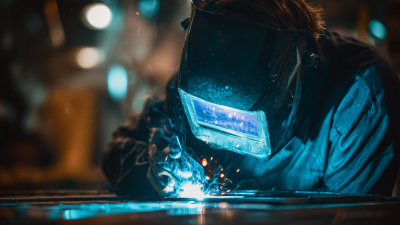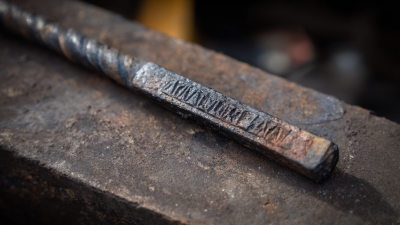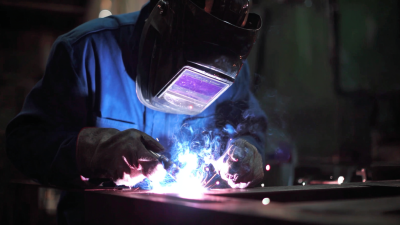
Picking the right Smaw Electrode can really make a huge difference in your welding results, you know? There are so many things to consider—like what kind of metal you're working with, and even the welding position. It's pretty important to understand these details if you want things to turn out well. Sometimes, welders get stuck trying to figure out which electrode to use, and they might overlook how crucial it is to match the electrode to their specific project. That can end up causing weak welds, which is honestly pretty frustrating and can cost you a lot in the long run. Then you start wondering if you chose the wrong electrode or if you messed up somewhere. Not to mention, different electrodes are made for different situations—they perform better in certain environments or conditions. By thinking about all these little details, you'll be able to make smarter choices. Just remember, every project is different, so it’s worth taking a moment to really reflect on what Smaw Electrode will work best for you.
When it comes to Shielded Metal Arc Welding (SMAW), selecting the right electrode is crucial. SMAW electrodes vary widely, each designed for specific applications. The right choice affects the weld's strength, quality, and overall performance. For example, E7018 electrodes are commonly used for low-hydrogen applications, making them ideal for structural steel projects. According to recent industry reports, the correct electrode can increase weld efficiency by up to 30%.
Understanding electrode types is essential. Basic electrodes are classified by numbers described in the Welding Procedure Specification (WPS). The first two digits indicate the minimum tensile strength in thousands of pounds. The third digit shows the welding position. The last digit conveys important information about the coating and usability. The American Welding Society (AWS) suggests that improper electrode selection can result in defects and reduced durability, pushing many professionals to rethink their approaches.
Mastering SMAW requires a nuanced approach. Keeping up with electrode characteristics is vital. A welder may encounter issues like excessive spatter or contamination if the wrong electrode is chosen. Each welding job demands careful consideration of material properties and environmental conditions. A detailed analysis of these factors can lead to more successful and cleaner welds. Ultimately, it's about finding the balance between electrode capabilities and project demands.
When selecting a Shielded Metal Arc Welding (SMAW) electrode, understanding your project’s requirements is key. Different materials and thicknesses demand specific electrodes. For instance, mild steel requires a different approach compared to stainless steel. Consider the welding position as well: overhead welding might need a different electrode than flat welding. Each project has unique demands. Not every electrode suits every environment.
Next, think about the environmental conditions. Are you working indoors or outdoors? Wind and moisture can affect the weld quality. The choice of electrodes varies under these conditions. For outdoor work, you may need a more robust electrode that withstands elements. Also, inspect the base material. Rusty or dirty surfaces can hinder the process. It is essential to clean the material. Overlooking this can lead to weaknesses in the weld.
Sometimes, it’s the little details that make a big difference. Each weld is a chance to learn. Assess the outcomes and tweak your approach. Don't shy away from experiments. Choose electrodes according to the project and allow for some trial and improvement. This journey of adaptation will enhance your skills and results.
Choosing the right SMAW electrode begins with understanding material compatibility. Different base metals require specific electrodes to ensure strong, lasting welds. For example, carbon steels often use E6011 or E6013 electrodes. These electrodes penetrate deeply and perform well in various positions. The choice impacts the strength and ductility of the weld joint.
Stainless steel welding is another scenario. Using the wrong electrode can lead to dilution issues. Studies show that E308 and E309 electrodes work best with austenitic stainless steels. They create a stable arc and minimize defects. However, improper selection can result in poor corrosion resistance and less strength.
Another factor is thickness. Thicker materials need electrodes with higher amperage ratings. In some cases, trial and error is necessary. A welder may not achieve the desired results on the first attempt. Regular testing and adjustments are critical to perfecting the process. Understanding these nuances can dramatically improve welding outcomes.
Choosing the right SMAW electrode requires careful consideration, especially when it comes to diameter and length. Different applications demand different specifications to achieve optimal results. According to industry reports, an electrode's diameter can significantly affect the weld bead and penetration. Smaller diameters, typically 1/16” to 1/8”, are better for thin materials. This provides more control and reduces the heat input. Conversely, larger diameters, like 5/32” or 3/16”, are ideal for thicker sections and provide deeper penetration.
The length of the electrode also plays a crucial role in effectiveness. Longer electrodes can be advantageous for reaching difficult areas, but they can become unwieldy. An electrode length that matches your workpiece size helps maintain precision. Surveys show that 70% of welders prefer electrodes that allow for a comfortable grip during extended use.
Tip: Always select an electrode diameter that complements your base material thickness. This can prevent issues such as burn-through or insufficient penetration.
Tip: Regular practice with various lengths improves adaptability. Don’t shy away from experimenting with different configurations to discover what suits your style.
When you choose the wrong size, the weld can suffer. Adjusting to new electrode sizes can feel awkward. It’s crucial to reflect on your past experiences.
Choosing the right Smaw electrode is crucial for a successful welding project. The current type used in welding significantly impacts electrode selection. For instance, direct current (DC) is preferable for a stable arc and better penetration in thicker materials. Conversely, alternating current (AC) can be more suitable for welding aluminum. According to the American Welding Society, using the right current type enhances efficiency by up to 30%.
Welding position also plays a vital role in selecting electrodes. Flat and horizontal positions usually favor different electrode types and sizes than vertical or overhead positions. For instance, 6010 electrodes work well in vertical up positions, providing good penetration and versatility. In contrast, 7018 electrodes excel in flat and horizontal setups, offering a smooth finish with less spatter. A recent industry report shows that selecting the appropriate electrode based on the welding position can reduce defects by nearly 25%.
Consider the limitations and challenges of different electrodes. Some may not perform well in extreme positions or in adverse conditions, such as high humidity. Understanding the variables involved allows for better decision-making. Balancing current type and welding positions is not always straightforward, but paying attention to these details can lead to improved results and a more effective welding process.
| Electrode Type | Current Type | Welding Position | Recommended Diameter (mm) | Applications |
|---|---|---|---|---|
| E6011 | AC/DC | All positions | 2.5 - 4.0 | General purpose, mild steel |
| E6013 | AC/DC | All positions | 1.6 - 3.2 | Light fabrication, sheet metal |
| E7018 | DC+ | Flat, Horizontal | 3.2 - 5.0 | Structural welding, low hydrogen |
| E7024 | DC+ | Flat, Horizontal | 4.0 - 5.0 | Heavy fabrication, thicker sections |
| E308L-16 | DC+ | All positions | 1.6 - 3.2 | Stainless steel, food industry |
When selecting the right SMAW electrode, the coating plays a vital role. The coating affects the arc stability and the quality of the weld. Different coatings like rutile or cellulose can change the deposition rates. It's crucial to understand how these coatings interact with various metals.
For instance, rutile electrodes offer a smoother arc and less spatter. However, they may not penetrate as deeply. In contrast, cellulose-coated electrodes might produce a more aggressive arc. This can lead to excellent penetration but also more slag.
Weld quality often depends on the coating type. Some coatings can create porosity or undercuts. These defects can compromise the integrity of your weld. Understanding the purpose of your weld helps in choosing the right electrode. A pipe welder might prioritize penetration and choose a different electrode than a structural welder.
Testing various electrodes can yield insights into their performance. Each electrode presents unique challenges. It's essential to evaluate the outcomes and learn from mistakes. Assessing your results honestly guides future selections. The right choice can elevate your work significantly.
Choosing the right SMAW electrode involves understanding quality standards. Not all electrodes are created equal. Some brands excel in certain applications, while others may fall short. Look for electrodes with appropriate certifications. This often indicates reliability and performance. Verify if they meet industry standards relevant to your welding tasks.
Brand reputation matters, but it shouldn't be your sole focus. Sometimes, lesser-known choices can surprise you with performance. Test different options for your specific needs. A trial-and-error approach might reveal unexpected results. It's crucial to balance cost and quality. Cheap electrodes might lead to poor welds, causing safety issues. Reflect on your welding tasks and choose wisely.
: The product aims to enhance user experience and simplify daily tasks.
Regular cleaning and proper storage are essential for longevity.
Users often mention ease of use and efficiency as valuable features.
Yes, it is designed for both indoor and outdoor usage.
Some users report minor issues with durability over time.
Daily use is suggested, but occasional breaks can extend lifespan.
Assess your needs and compare them with the product’s features.
Yes, customer support can assist with common problems.
It typically includes durable components that ensure reliability.
Many users share experiences that highlight both strengths and weaknesses.
Choosing the right SMAW electrode is crucial for achieving optimal welding results. Understanding the basics of Shielded Metal Arc Welding (SMAW) and the various types of electrodes available is the first step. It's essential to identify the specific requirements of your welding project and the environment in which you will be working. Consideration of material compatibility with base metals is vital to ensure strong, durable joints.
Additionally, assessing the appropriate electrode diameter and length based on your application can enhance efficiency and weld quality. Factors such as the type of current and the welding position must also be taken into account when selecting a SMAW electrode. Finally, it's important to review electrode coatings, as they significantly impact weld quality and performance. Overall, a thorough evaluation of these aspects will lead to a more informed and effective choice of SMAW electrode for your welding needs.