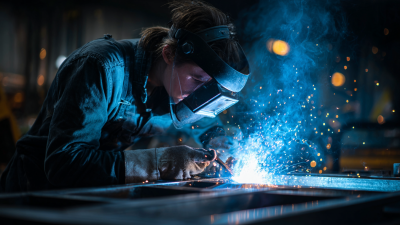
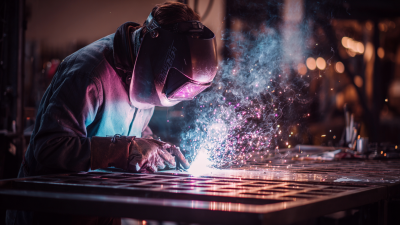
Picking the right Flux Welding technique really can make or break your project, so it’s super important to understand what exactly you need. There are different methods out there, each suited for different materials and situations—so knowing what you're working with helps a ton.
Basically, Flux Welding uses a filler rod coated with flux, which creates a protective layer to stop oxidation. But to choose the best method, you’ve gotta get specific about your project. For instance, MIG and TIG welding are both pretty popular, but they’re used for different things and give you different results.
And let’s be honest, experience matters too. If you're just starting out, figuring out which technique to use can be a bit overwhelming. Mistakes happen, and they can lead to crappy welds or wasting time. That’s why talking to an expert or doing a bit of research can really save you from all that hassle. When you pick the right Flux Welding method, not only does your work turn out better, but it’ll also last longer—plus, you’ll avoid a lot of headaches along the way.

Understanding Flux Welding: An Overview of Techniques
Flux welding encompasses various techniques tailored for specific applications. Understanding these methods is vital for making informed choices. Common types include Flux-Cored Arc Welding (FCAW) and Submerged Arc Welding (SAW). Each technique offers unique advantages depending on the project's requirements.
FCAW is popular for its versatility and speed. It allows for welding in various positions and on dirty or rusty materials. However, it can create more spatter than other methods. On the other hand, SAW provides deep penetration and is efficient for thick materials. This technique, though, requires a clean working environment and specific setups. Both methods present challenges, like maintaining a steady hand and managing the filler material.
When exploring flux welding options, consider your skill level and project conditions. Novices might struggle with complex techniques but can benefit from practice. Experienced welders may find advanced methods more rewarding. Be aware that the right choice can vary from person to person. Reflecting on your experience can guide you toward the best technique for your needs.
Different Types of Flux Welding Techniques: An In-depth Comparison
Choosing the right flux welding technique can be daunting. There are several types, each with unique benefits.
Traditional flux-cored arc welding (FCAW) is popular for its versatility. It works well in various positions and can be used outdoors. This method uses a tubular wire filled with flux, creating a shielding gas when heated. However, it can create more spatter compared to other methods.
Another common technique is stick welding, or shielded metal arc welding (SMAW). It is simple and portable, making it suitable for on-site repairs and maintenance. Stick welding does not require shielding gas, but it may produce noticeable slag that requires cleanup. Some find it challenging to master, as it requires skill to maintain the right arc length and motion.
Gas metal arc welding (GMAW) is known for speed and efficiency. It produces clean welds with minimal cleanup needed. However, this technique is sensitive to wind and drafts, limiting its use in outdoor settings.
Choosing the right technique involves weighing the pros and cons. Consider your project's requirements and your skill level. Each method has strengths and weaknesses that can impact the final outcome.
Assessing Your Project Requirements: Factors to Consider
Selecting the appropriate flux welding technique begins with a thorough assessment of your project requirements. Key factors include the type of materials, joint configuration, and desired strength. For instance, carbon steel requires different flux than stainless steel. According to the American Welding Society, using the wrong technique can lead to weld defects that compromise durability.
Project size also plays a crucial role in the decision-making process. Larger projects, like shipbuilding, often utilize submerged arc welding due to its high deposition rates. In contrast, small-scale jobs might benefit from gas flux welding for its versatility and ease of use. Industry studies suggest that improper selection can result in up to 30% increase in project time and costs.
Consider the operating environment as well. Outdoor applications may demand more robust fluxes to withstand environmental conditions. In some cases, limited access can restrict welding techniques, making portable options essential. Ultimately, the right choice hinges on careful evaluation of these factors. A mismatch can cause significant challenges down the line. Adaptability remains vital. Each project has unique demands, and flexibility in approach can lead to better outcomes.
Pros and Cons of Common Flux Welding Methods
Selecting a flux welding technique involves understanding its pros and cons. Common methods include flux-cored arc welding (FCAW) and submerged arc welding (SAW).
FCAW is known for its versatility. It works well in various environments, especially outdoors. According to the American Welding Society, FCAW can increase productivity by up to 30% due to its high deposition rate. However, it can produce more fume and spatter, requiring careful personal protective equipment (PPE) use.
On the flip side, submerged arc welding offers high-quality welds. It is less dependent on the welder's skill level. Welding Research Council reports that SAW can deliver reduced distortion in thick sections, which is vital for heavy fabrication. Yet, it has limitations. This method can't be used for thin materials effectively. The high initial setup cost may deter smaller operations. Each technique has its challenges and benefits, requiring a clear understanding of the specific project needs.
Choosing the Right Equipment for Your Flux Welding Technique
When selecting the right equipment for flux welding techniques, various factors play a crucial role. A recent report from the American Welding Society indicates that nearly 65% of welders prefer wire-fed systems, which can significantly enhance efficiency. These systems, often used in MIG welding, allow for continuous feeding of wire, reducing the time spent on preparation. For hobbyists or smaller projects, a simpler setup may suffice, while larger operations require robust machinery capable of handling high volumes.
Choosing the right power source is vital. Look for a welder that matches the materials you'll be using. For instance, if working with aluminum, opt for a machine specifically designed for non-ferrous metals. This ensures better penetration and a stronger bond. Remember, the right nozzle and shielding gas also contribute significantly to the quality of the weld.
Tips: Always test your equipment settings before starting a project. A quick trial can reveal much about your machine's performance. Regular maintenance of your tools is essential. Wear and tear can lead to poor results, so inspect your equipment frequently. Don't hesitate to experiment with different settings to learn how they affect your welds. Mistakes are often the best teachers in welding.
Safety Considerations and Best Practices in Flux Welding
Safety is paramount in flux welding. According to the American Welding Society, about 50% of welding accidents result from inadequate safety measures. When choosing a flux welding technique, consider protective gear, ventilation, and workspace organization. Ensure proper personal protective equipment (PPE) such as helmets, gloves, and aprons are used.
Moreover, new welders often overlook the importance of ventilation. Flux fumes can generate hazardous gases like phosphorus and lead. Inadequate ventilation can lead to respiratory issues. Reports suggest that nearly 20% of welders experience respiratory problems due to poor air quality. Position your workspace away from confined areas to minimize inhalation risks.
Also, be aware of fire hazards. Flux welding produces sparks that can ignite flammable materials nearby. Regularly check your workspace for hazards, but mistakes are part of learning. Regular training on safety practices is essential, but many professionals still skip refreshers. A safety-first mindset impacts both the quality of work and personal well-being.
Cost Implications of Various Flux Welding Techniques
When selecting a flux welding technique, understanding cost implications is crucial. According to the American Welding Society, the average cost of flux-cored wire ranges from $0.10 to $0.20 per pound. This is particularly relevant when budget constraints are a significant factor for many projects.
Different flux welding methods can also impact overall expenses. For example, shielded metal arc welding (SMAW) typically requires less investment in equipment. However, the operational costs may rise due to shorter electrode lifespan and higher material fatigue. In contrast, gas metal arc welding (GMAW) offers increased efficiency but often involves higher initial expenses for gas supplies.
Many industry reports highlight the long-term savings with specific techniques. For instance, a study by the National Institute for Occupational Safety and Health indicates that reducing rework through efficient welding methods could save up to 30% on labor costs. Each technique has unique benefits and challenges. Analyzing your priorities will help align welding choices with financial goals.
FAQS
: Consider the type of welding method and material, such as aluminum or steel. Efficiency is key.
Nearly 65% of welders prefer wire-fed systems for continuous wire feeding, enhancing efficiency during projects.
Use the right nozzle and shielding gas for your material. Match the welder to your specific project needs.
Regularly inspect and maintain your equipment to prevent wear and tear, which leads to poor results over time.
Techniques like SMAW have lower equipment costs but may result in higher operational expenses due to shortened electrode lifespan.
Yes, efficient methods can reduce rework, potentially saving up to 30% on labor costs, according to industry studies.
Testing settings before starting is crucial. A quick trial can reveal performance issues that need addressing.
Yes, while GMAW has higher initial costs, its increased efficiency can lead to long-term savings in labor and materials.
Analyze your equipment settings and try different adjustments. Mistakes can be valuable learning experiences in welding.
Analyze your project priorities. Choose techniques that align with both financial goals and desired quality outcomes.
Conclusion
Flux welding encompasses a variety of techniques that are essential for achieving optimal results in different welding projects. Understanding the fundamentals of flux welding, along with the specific types available, allows welders to make informed decisions. Factors such as project requirements, including material types and thicknesses, play a crucial role in selecting the right method.
Each flux welding technique comes with its own set of advantages and disadvantages, which must be carefully weighed against safety considerations and best practices. Furthermore, choosing suitable equipment is vital for ensuring efficiency and effectiveness in the welding process. Budget constraints can also influence the decision, as various flux welding methods have different associated costs. By analyzing these aspects comprehensively, welders can select the technique that best meets their needs for successful outcomes in their projects.