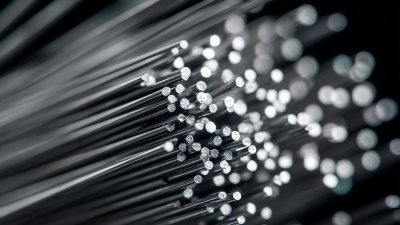
Picking the right wire electrode is honestly a pretty big deal when you're into welding. It can make or break the quality and strength of your welds, so you really don’t want to overlook it. There are quite a few things to consider when you’re choosing which electrode to go with.
Different jobs call for different types of electrodes, you know? Like, stainless steel welds need something different than aluminum ones. It’s super important to get a handle on these differences—trust me.
A lot of folks skip over how important this choice actually is, and that can backfire big time. Using the wrong electrode might mean weaker joints and more failures, which nobody wants. So, it’s worth taking some time to figure out what your project actually needs. In the end, picking the right electrode can save you both time and cash. And hey, if you’re unsure, don’t be afraid to reach out to experts at places like Miller Electric. They’ve got your back with good advice.
When selecting the right wire electrode for welding, understanding the types available is crucial. Gas Metal Arc Welding (GMAW) uses a solid wire electrode. This type is easy to handle and provides good penetration. It works well for thin materials. Flux-Cored Arc Welding (FCAW) utilizes a tubular wire filled with flux. This option is useful for outdoor work where wind may affect results. However, it can create more spatter.
For stainless steel, use a specific electrode designed for corrosion resistance. Other materials require different choices too. An ER70S-6 wire is common for mild steel. It delivers strong welds. But, it may not perform well with rusty surfaces. Each electrode type demands practice and research.
Choosing the wrong electrode can lead to issues. Poor penetration may result in weak joints. Excess spatter needs extra cleanup time. Understanding their properties helps avoid mistakes. Every welder must reflect on their experiences. Even skilled welders learn from every project. Adapting to different electrodes is part of the journey.
| Welding Process | Wire Electrode Type | Material | Diameter (mm) | Common Uses |
|---|---|---|---|---|
| MIG Welding | ER70S-6 | Mild Steel | 0.8 - 1.2 | General fabrication, automotive repairs |
| TIG Welding | ER308L | Stainless Steel | 1.0 - 3.2 | Pipe welding, food industry |
| Flux-Cored Arc Welding | E71T-1 | Mild Steel | 1.0 - 1.6 | Outdoor work, thicker materials |
| Submerged Arc Welding | EL8 | Mild Steel | 3.2 - 4.0 | Large structural components, heavy plates |
| Hardfacing | AWS A5.13 | Alloy Steel | 1.2 - 3.2 | Wear resistance applications |
When it comes to choosing a wire electrode for welding, several factors play a crucial role. The type of material you are welding is paramount. For example, carbon steel often requires different electrodes compared to stainless steel. According to the American Welding Society (AWS), improper electrode selection can lead to poor integrity and reduced strength in welded joints.
Another key consideration is the welding position. Different electrodes perform better in various positions, like flat or vertical. A report by the National Institute for Educational Statistics indicates that improper positioning can raise the risk of defects by up to 30%. It’s essential to choose electrodes that are designed for your specific application.
Welding parameters such as voltage, amperage, and travel speed also influence electrode choice. Mismatched settings can degrade performance and reduce efficiency. According to a recent industry survey, nearly 25% of welders experience issues due to incorrect settings. Therefore, understanding the interplay between your equipment and chosen electrode type is vital for success.
Choosing the right wire electrode can greatly influence the quality of your welding projects. When it comes to MIG welding, solid wires are most commonly used. These wires provide a stable arc and are ideal for thinner materials. However, the interaction with shielding gas is critical. A recent industry report indicates that incorrect gas choices can lead to defects in welds, such as porosity and lack of fusion.
For TIG welding, the situation is a bit different. Here, the filler wire needs to match the base metal. Not all materials can accept standard filler wires. For example, aluminum requires a specific alloy wire. Reports show that using incompatible filler can reduce weld strength by up to 30%. This mismatch often occurs when welders are inexperienced or are in a hurry.
Flux-cored wires offer unique advantages. They can be used in outdoor environments and without shielding gas. However, they tend to produce more slag. Proper technique is essential to manage this byproduct. Many welders overlook the importance of cleaning between passes. Neglecting this step can compromise the integrity of the weld. Understanding these nuances can elevate your welding skills to new heights.
Choosing the right wire electrode is crucial for effective welding. The material compatibility plays a significant role in this selection. Different metals require specific electrodes for optimal adhesion and strength. For example, stainless steel needs a different wire than aluminum. Using the wrong electrode can lead to weak joints or weld defects.
When evaluating material compatibility, consider the base metal type. Different alloys can react poorly if paired incorrectly. For instance, pairing dissimilar metals may cause issues like cracking or corrosion. It's essential to think about the welding process used too. Some electrodes work best with MIG welding, while others are suited for TIG. Experimenting can lead to unexpected results, which might not always be desirable.
Additionally, the electrode diameter is another important factor. A smaller diameter can give precise control and is ideal for thin materials. However, using a thicker electrode could lead to excessive heat and warping. Evaluating these factors reflects a deeper understanding of welding principles. Trial and error can be frustrating, but it’s part of the learning curve in mastering material compatibility.
Choosing the right wire electrode for welding can significantly impact the quality of your work. The diameter and composition of the wire are crucial factors. Industry reports show that the wire diameter influences the heat input and deposition rate. Smaller diameters create finer welds but may require more skill and precision, while larger diameters can deposit metal quickly but may lead to a rough finish.
The composition of the wire also matters. Different alloys provide different properties such as strength, ductility, and corrosion resistance. For example, a wire with higher nickel content increases toughness, while stainless steel compositions offer excellent resistance to oxidation. It's important to match the wire's composition to the material being welded.
Tips: Always consider the applications. For heavier materials, a thicker wire is often necessary. For applications requiring more finesse, a thinner wire can produce cleaner welds. Test different wires to see which yields the best results.
Another point to ponder is the balance between cost and performance. Cheaper wires may save money upfront, but they could compromise weld integrity in the long run. Experimentation and experience can guide you to find the best fit for your specific welding tasks.
Choosing the right wire electrode is crucial for successful welding projects. Different applications require specific types of wire to ensure strong welds and optimal performance. For example, stainless steel welding commonly uses ER308L wire, while for aluminum, ER4047 is often preferred. According to industry reports, nearly 40% of weld failures occur due to improper electrode selection.
In practice, using the correct wire type not only enhances strength but also reduces the risk of defects. Employing the right diameter impacts the overall weld quality too. For thin materials, a smaller diameter wire is often better. It allows for better control and minimizes burn-through. An industry study indicates that welds using the appropriate electrode had a 25% lower defect rate compared to those that did not.
However, many welders overlook these details. They might stick with a single wire type due to convenience. This can lead to increased costs in the long run. The importance of reviewing the specific requirements for each project cannot be overstated. Balancing efficiency, cost, and quality is key. A thoughtful approach can lead to better results and fewer reworks.
When it comes to welding wire electrodes,
maintenance and storage are crucial. Proper care extends the life of these essential tools.
Industry reports suggest that poorly stored electrodes can lead to a 15% increase in defects.
Therefore, understanding how to keep them in optimal condition is vital.
Store electrodes in a dry environment.
Humidity can cause rust and degrade performance. Ideally, maintain a storage temperature of
25°C to prevent moisture absorption. Keeping them in sealed containers can further reduce exposure to air and humidity.
Use silica gel packets to absorb excess moisture.
Make regular checks on your electrodes. Look for any signs of corrosion or damage. Even a small imperfection can compromise a weld.
If you find issues, replace them immediately. Consider organizing your electrodes by type and size.
This practice simplifies your workflow. Take note that different materials require different care guidelines.
Educating yourself can prevent costly mistakes in the long run.
rc Welding (GMAW)?
FCAW has a tubular wire filled with flux, which resists wind effects on welding.
Misalignment may lead to poor penetration and weak welds, causing costly repairs.
Smaller diameters create finer welds but require more skill; larger diameters deposit metal quickly.
Different alloys provide varied properties like strength and corrosion resistance that impact weld quality.
Store electrodes in a dry place and at 25°C to avoid moisture issues and corrosion.
Humidity can cause rust and degrade the wire's performance, leading to potential weld defects.
Regularly check for corrosion or damage and replace any defective wires to maintain quality.
Test different wires to find the best fit for specific materials and applications over time.
Cheaper wires may save money but could compromise weld integrity. Quality matters in the long run.
Choosing the right wire electrode is crucial for achieving optimal welding results. This article outlines various types of wire electrodes and emphasizes the importance of understanding their characteristics. Factors such as the welding process—MIG, TIG, or flux-cored—material compatibility, and the diameter and composition of the electrodes are vital considerations.
Additionally, the article discusses common applications and best practices for using wire electrodes effectively, ensuring weld quality and longevity. Proper maintenance and storage tips are provided to extend the life of welding wire electrodes, ultimately enhancing performance and safety in welding operations. Understanding these elements will help welders make informed choices tailored to their specific needs.