0%

You know, in the welding and metalworking world, the term "Electrode Rod" is actually pretty important. These rods are a key part of how we join metals together with welding. I remember John Smith from WeldTech Industries mentioning once that, "Using the right Electrode Rod can really boost both the efficiency and the quality of your welds." That just highlights how critical it is to pick the correct rod for the job at hand.

Electrode rods come in all sorts of materials and sizes, and each one has its own purpose. Some are great for thin metals, while others are better suited for thicker stuff. Getting to know the differences can really make a difference in how well your welding turns out.

But let’s be honest—this industry isn’t static. It keeps changing. Many experts admit there’s still a lot of folks out there who could use better training or just more up-to-date info on rod tech. Improving skills and keeping up with new developments isn’t just nice to do—it’s essential. When you think about it, using Electrode Rods isn’t just a technical thing; it’s also about showing your commitment to quality in your work and getting better every day.

What is an Electrode Rod and How is it Used?

What is an Electrode Rod?

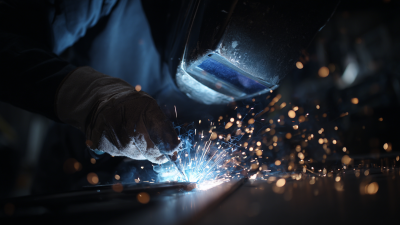
An electrode rod is a crucial component in many welding processes. It consists of a metal rod coated with a special material that helps to create an electric arc. This arc generates the intense heat needed to melt the base metal and create a strong weld. Each type of electrode rod serves specific applications, from mild steel to stainless steel, showcasing its versatility.

When using an electrode rod, proper technique is essential. The welder must maintain a consistent angle and distance from the workpiece. Too much distance can lead to a weaker bond while too close can cause excessive spatter. This requires practice and skill to perfect.

Challenges often arise during welding, including the rod's coating, which may create unwanted slag. This can lead to a need for post-welding cleaning. A welder's familiarity with their material is vital. Knowing how different rods behave in various conditions will improve outcomes and reduce errors.

Types of Electrode Rods and Their Applications

Electrode rods are essential components in welding and other electrical applications. They come in various types, each designed for specific uses. Understanding these variations can enhance your work's quality.

MMA (Manual Metal Arc) rods are widely used in metal fabrications. They excel in outdoor conditions. TIG (Tungsten Inert Gas) rods are for delicate, precise work. They produce clean, high-quality welds. MIG (Metal Inert Gas) rods offer speed and efficiency. They are ideal for thin materials.

Tips for selecting an electrode rod: Always match the rod to the base metal. Consider the environment where you are working. Rods can be sensitive to moisture. Ensure proper storage to maintain their integrity. Look for a reliable supplier to avoid quality issues. Small differences in rod choices can lead to significant outcomes in projects.

How Electrode Rods Work in Different Industries

Electrode rods play a crucial role in various industries, serving as essential components in processes like welding, electrochemistry, and metal smelting. In the welding industry, for instance, the global market was valued at approximately $16 billion in 2022, primarily due to the rising demand for construction and automotive applications. Here, electrode rods facilitate the process by providing a path for electric current, ensuring strong welds. The composition of these rods often varies, impacting their effectiveness and suitability for specific applications.

In electrochemistry, electrode rods are fundamental in various applications, from batteries to water treatment. A recent report indicates that the electrochemical sensors market is projected to reach $7 billion by 2026. These sensors heavily rely on electrode rods to measure chemical concentrations accurately. However, the effectiveness of these rods can be inconsistent, influenced by factors like environmental conditions and material degradation. Continuous research is essential to enhance their performance and reliability in such critical applications.

The mining industry also benefits from electrode rods, particularly in extraction processes. With the global mining market escalating to over $1 trillion by 2025, electrode rods are pivotal for efficient extraction and purification. Despite advancements, challenges prevail, such as maintaining rod integrity under extreme conditions. Understanding how environmental factors impact electrode performance remains a developing area of research, highlighting the need for ongoing investment and innovation in electrode technology.

Installation and Handling of Electrode Rods

Electrode rods play a crucial role in various welding and metalworking applications. Proper installation and handling are essential for achieving optimal results. When setting up an electrode rod, ensure that the workspace is clean and free from contaminants. This prevents foreign particles from affecting the welding process.

For installation, selecting the right angle and pressure is important. The angle should align with the workpiece to enhance arc stability. Applying too much pressure can lead to excessive spatter or even damage the rod. A smooth, steady motion during application helps maintain control and produces cleaner welds.

Handling electrode rods requires care and attention. Store them in a dry place to avoid moisture absorption, which can compromise their integrity. While transporting, it’s wise to keep them in protective tubes. This helps to prevent bending or breakage. Regularly inspecting the rods for any damage ensures they perform effectively.

Common Materials Used for Electrode Rods

Electrode rods are crucial in various welding and electroplating processes. The choice of material significantly affects performance. Common materials include steel, graphite, and tungsten. Each has unique properties that suit different applications.

Steel electrode rods are widely used for their strength and conductivity. They excel in structural applications. Graphite rods, on the other hand, offer excellent thermal resistance. They are often favored in molds and metal casting processes. Tungsten rods are incredibly durable. They are key in high-temperature welding situations.

Choosing the correct material is not always straightforward. Factors such as environment, temperature, and type of weld matter. Sometimes, trial and error is necessary. Understanding a rod's specific attributes can lead to better results. However, even experienced professionals can misjudge their needs. Continual learning and adaptation are essential in this field.

What is an Electrode Rod and How is it Used? - Common Materials Used for Electrode Rods

Material Conductivity (S/m) Common Applications Melting Point (°C)
Copper 5.8 x 10^7 Welding, Electrical Connections 1085
Graphite 1 x 10^5 Electrodes in Electrolytic Cells 3652
Aluminum 3.5 x 10^7 Welding, Electrical Cables 660
Nickel 1.4 x 10^7 Battery Electrodes, High-Temperature Applications 1455
Titanium 2.3 x 10^6 Cathodic Protection, Aerospace 1668

Maintenance Tips for Electrode Rods

Electrode rods are essential in various welding processes. To maximize their efficiency, proper maintenance is crucial. Regular inspection of electrode rods helps identify wear and tear. Look for signs of corrosion and damage. Addressing these issues promptly can prevent larger problems.

Cleaning is another important maintenance task. Contaminants can lead to subpar welding results. Use a wire brush to remove any buildup from previous use. This step ensures a clean surface for better conductivity. Occasionally, check for correct settings on your welding machine as well. Misalignments can affect the rod's performance.

Storing electrode rods properly is equally essential. Keep them in a dry, cool place to avoid moisture exposure. Moisture can cause the rods to rust or become less effective. Consider using a sealed container to protect them. These maintenance tips might seem basic, yet they are critical for optimal performance. Reflecting on your maintenance routine can reveal areas for improvement. Regular care leads to better results in your welding projects.

Safety Precautions When Using Electrode Rods

When using electrode rods, safety should be the top priority. Proper protective gear is essential. Wear gloves, goggles, and a mask to guard against sparks and fumes. These protective items help prevent injuries from unexpected accidents. Just a moment of carelessness can lead to serious harm.

Ensure your workspace is well-ventilated. Fumes from welding can be hazardous. A clutter-free area reduces the risk of tripping or knocking over equipment. Always inspect your tools and rods before use. A worn or faulty electrode can cause ineffective welding and increase risks.

Be cautious around flammable materials. Keep a fire extinguisher nearby. It’s easy to overlook small details, yet they can be critical. Take time to review safety guidelines. Reflect on past experiences and mistakes to improve your practices. Staying vigilant is key to working safely with electrode rods.

Maximizing Welding Performance with AWS E9015-G Low Alloy Steel Welding Rods: A Comprehensive Guide to J607CrNiMo Electrodes

The J607CrNiMo (AWS E9015-G) low alloy steel electrodes represent a significant advancement in welding technology, particularly for applications requiring exceptional strength and corrosion resistance. With a low hydrogen sodium coating, these electrodes are specifically designed to minimize the risk of cracking in the weld pool and ensure a solid bond in challenging environments. This makes them ideal for industries where durability and reliability are paramount, such as shipbuilding, pressure vessel fabrication, and various structural applications.

By choosing J607CrNiMo electrodes, welders can enhance their performance with greater control and stability during the welding process. The unique formulation of the low alloy steel allows for excellent penetration and reduced spatter, leading to cleaner welds and decreased post-weld cleanup. Furthermore, the low hydrogen coating provides robust protection against moisture, ensuring strong and consistent welds even in less-than-ideal conditions. This comprehensive guide empowers welders to maximize their performance by understanding the benefits and applications of using J607CrNiMo electrodes in various welding projects.

FAQS

: Why is proper installation of electrode rods important?

: Proper installation ensures optimal results. It prevents contaminants from affecting the welding process.

How should I angle the electrode rod during use?

The angle should align with the workpiece. This enhances arc stability for cleaner welds.

What happens if I apply too much pressure on the electrode rod?

Excessive pressure may cause spatter or damage the rod. A steady motion helps maintain control.

How should I store electrode rods?

Store them in a dry place. Avoid moisture, which can compromise their integrity.

Why is protective gear necessary when using electrode rods?

Protective gear guards against sparks and fumes. It helps prevent injuries from accidents.

How can I ensure a safe workspace for welding?

Maintain good ventilation and a clutter-free area. This reduces the risk of accidents.

What should I do before using electrode rods?

Inspect rods for damage and ensure tools are in good condition. Worn rods can cause ineffective welding.

Why is it important to keep a fire extinguisher nearby?

Nearby flammable materials increase fire risks. Being prepared is essential for safety.

How can I improve my safety practices while welding?

Review safety guidelines regularly. Reflect on past mistakes to enhance your approach.

What is a common oversight during welding?

Overlooking small details can be critical. Staying vigilant is key to maintaining safety.

Conclusion

An Electrode Rod is a critical component used in various welding and electrochemical applications, serving as a conductor for electric current. There are several types of Electrode Rods, each tailored for specific functions across industries such as manufacturing, construction, and mining. Understanding their applications is essential for optimizing performance in tasks like arc welding, metal fabrication, and corrosion protection.

Proper installation and handling of Electrode Rods are crucial for safety and effectiveness. Common materials used for these rods include carbon, copper, and various metal alloys, each chosen based on the application requirements. Regular maintenance, such as cleaning and inspection, is vital to prolong their life and functionality. Furthermore, adhering to safety precautions is essential when working with Electrode Rods to prevent accidents and ensure a safe working environment.

Lila

Lila

Lila is a dedicated marketing professional at Wenzhou Tianyu Electronics Co., Ltd., where her expertise shines in promoting the company's innovative electronic products. With a deep understanding of the industry, she articulates the unique advantages of Tianyu's offerings, ensuring that clients and......
Previous 2026 How to Choose the Right Flux Core Wire for Your Projects?