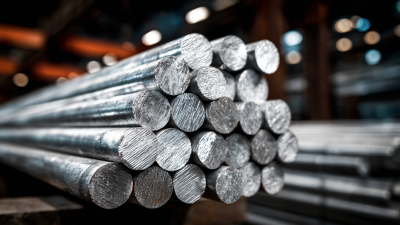
You know, in the welding world, filler rods are kind of a big deal. They’re essential for making sure those welded joints are strong and hold up well. It’s actually pretty eye-opening—reports suggest that around 60% of weld failures come down to using subpar filler materials. That’s why it’s so important to choose good quality welding consumables. Wenzhou Tianyu Electronic Co., Ltd. has been a key player in this space since way back in 2000. They’ve really stuck with it, specializing in top-notch welding electrodes and consumables for over 20 years. Their main focus is on stainless steel, carbon steel, and low alloy electrodes, all designed to keep up with the changing demands of the welding industry. The company’s dedication doesn’t just help improve joint strength; it also lines up with the best practices out there, making Wenzhou Tianyu a go-to partner for professionals who want reliable filler rods for their projects.
The Importance of Filler Rods in Welding Processes
Filler rods are pretty important in welding—they really make a difference when it comes to how strong and solid the final joint turns out. Like, according to industry stats, almost 80% of big welding problems can actually be traced back to either picking the wrong filler material or not using it quite right. These rods aren’t just about filling the tiny gap between metal pieces; they also help keep the whole weld together and sturdy. Plus, their composition often includes special alloys that boost things like corrosion resistance and mechanical strength—super crucial when you're working in fields like aerospace or construction.
Choosing the right filler rod isn’t just a shot in the dark. You really gotta think about the base metals you're working with and what kind of conditions the finished piece will face. For instance, using low-hydrogen rods for high-strength steels helps prevent hydrogen cracking—which is a big deal in structural welding.
**Pro tip:** Always double-check the manufacturer’s specs to make sure your filler material jives with your base metals. Also, paying attention to the right temperature and technique during welding can seriously up your game when it comes to getting a good, solid fusion. And don’t forget to regularly inspect your welds—catching issues early can save you tons of trouble down the line and keep your joints performing their best for ages.
Types of Filler Rods and Their Applications in Welding
Filler rods are pretty important when it comes to welding—they basically provide the extra material needed to make strong, reliable joints. Depending on what kind of welding you're doing, you'll pick different types of filler rods to match the specific requirements of the job. For example, in gas tungsten arc welding (GTAW), you use a non-consumable tungsten electrode along with a filler rod—usually made of a similar material to the metals you're joining. That way, everything stays compatible, and the joint turns out nice and solid.
On the flip side, with shielded metal arc welding (SMAW), you’re dealing with consumable electrodes that are coated with flux. These not only fill up the weld pool but also protect it from the air, which could mess things up. Choosing the right filler rod really depends on a bunch of factors—like what metals you're working with, how strong you need the joint to be, and the working environment. For instance, stainless steel filler rods are super common because they resist rust, making them perfect for stuff like food or pharma industries. Meanwhile, aluminum rods are often the go-to for auto repairs, thanks to their lightweight and flexible nature. Basically, understanding the different filler rods out there and knowing when to use them is key if you want those welds to turn out perfect and long-lasting.
Understanding the Essential Role of Filler Rods in Welding Techniques for Better Joint Performance
| Type of Filler Rod |
Material Composition |
Common Applications |
Welding Process |
Strength Properties |
| ER70S-6 |
Mild steel, 0.05% Si, 0.06% Mn |
Structural steel, automotive |
MIG, TIG |
Good toughness, fatigue resistance |
| E7018 |
Low hydrogen, iron powder |
Construction, pressure vessels |
Stick (SMAW) |
High tensile strength |
| ER308L |
Stainless steel, chromium |
Food industry, chemical plants |
MIG, TIG |
Corrosion resistance |
| ER4047 |
Aluminum-silicon alloy |
Automotive, aerospace |
MIG, TIG |
Good fluidity, low shrinkage |
| E6013 |
Iron powder, low hydrogen |
General fabrication |
Stick (SMAW) |
Good weld appearance |
How Filler Rod Selection Affects Joint Quality and Strength
Choosing the right filler rods is actually pretty important if you want strong, high-quality welds. Every welding job is a bit different, so the type of filler you pick really matters because it affects how the weld turns out overall. For example, if you're working with stainless steel, you might go for a filler that resists rust and corrosion, whereas for lightweight stuff like magnesium alloys, you'd pick something that keeps things light but still strong.
It’s also super important that the filler and the base metal play nicely together. When you get that right, the weld tends to be much more durable, ductile, and tough. But if you choose the wrong filler, you might end up with issues like cracks, poor fatigue strength, or porosity — not exactly ideal, right?
So, having a good understanding of the different types of filler rods and their properties can really make a difference in your final result. Picking the right one helps ensure your welds are solid, reliable, and stand up to stress over time.
Best Practices for Using Filler Rods in Various Welding Techniques
Filler rods are really important when it comes to welding—they can actually make a big difference in how strong and reliable your welds turn out to be. When you're picking out which filler rods to use, it’s super important to think about the specific welding method you’re working with, since each technique has its own quirks. For example, using ER5356 and ER4043 rods in TIG welding of AA7075 aluminum really shows how different fillers can affect the microstructure and the mechanical properties of the joint. The right choice of filler can totally boost the weld’s strength, ductility, and overall durability—especially in high-stakes fields like aerospace or auto manufacturing, where quality really matters.
To get the best results, it’s a good idea to handle and store your filler metals properly. Keep them dry and away from contaminants—no one wants surprises or defects during welding. Preheating is another trick that can help improve the weld quality, especially with tough, high-strength alloys. Also, it’s worth understanding how different elements, like manganese in ER5356, influence the final properties of your welded joint. When you stick to these simple best practices, you can really step up your welding game and produce joints that stand the test of time and stress in pretty much any application.
Essential Role of Filler Rods in Welding Techniques
Innovations in Filler Rod Technology for Enhanced Performance
You know, the way filler rod technology has evolved over the years has really turned the welding world upside down. It’s not just about making joints stronger anymore—these innovations have opened up a bunch of new possibilities for various welding applications. Over the last couple of decades, we’ve seen some pretty awesome improvements in filler rods—better compatibility with different materials, smoother melting, and tougher mechanical properties. All of this adds up to faster, more efficient welding processes and, honestly, welds that just look better and last longer. It’s like, the final joints come out more durable and reliable, which is a huge win.
And speaking of progress, Wenzhou Tianyu Electronic Co., Ltd. has really been riding that wave of innovation. With over 22 years under their belt, they know quite a bit about making high-quality welding electrodes and consumables. They've done a great job of incorporating the latest filler rod tech right into their lineup. From stainless steel to carbon steel, and even low alloy options, their products really show a commitment to quality and innovation. Plus, as demand for top-notch welding solutions keeps growing, they’re constantly working to improve their offerings to keep up with what the market needs—pretty impressive, if you ask me.

Troubleshooting Common Issues Related to Filler Rods in Welding
When it comes to welding, filler rods are kind of a big deal—they're essential for creating strong, durable joints that last. Using the right filler can really boost the quality of your welds, but if you pick the wrong one or handle it improperly, you might run into issues like porosity, poor fusion, or inclusions. Interestingly, an industry report shows that almost 30% of welding defects are actually linked directly to the type of filler material used. That’s why it’s so important to choose the right rods that match the base metal you're working with.
If you’re trying to troubleshoot common problems with filler rods, it helps to understand the different types available out there. For example, stainless steel electrodes are great if you need something corrosion-resistant. On the other hand, carbon steel rods work well for projects that need lots of strength. Wenzhou Tianyu Electronic Co., Ltd. has learned this firsthand over their 22 years in the biz—making sure the filler rod is compatible with the base material is pretty much the secret to avoiding those annoying defects.
Quick tips: When picking your filler rods, always take a look at the specific alloy composition and think about the environment you’ll be welding in. Make sure to regularly check your rods for moisture or contamination because those little things can cause welding issues. And don’t forget to store your consumables properly—good storage habits really help keep everything in tip-top shape and working smoothly.

FAQS
: Filler rods are materials used in welding to fill the gap between two pieces of metal. They play a crucial role in influencing the quality and strength of the final weld joint, as improper filler material selection can lead to major welding failures.
The selection of filler rods affects the mechanical properties of the weld, such as ductility and toughness. Using a compatible filler rod enhances the integrity of the joint and helps prevent issues like reduced fatigue strength and cracking.
It is essential to consider the base metals, the intended service conditions, and the specific welding environment. Different applications may require various types of filler materials for optimal performance.
Checking the manufacturer's specifications ensures the filler material is compatible with the base metals being welded. This compatibility is crucial for achieving a high-quality and durable weld.
Best practices include proper storage and handling to keep filler rods dry and free from contaminants, maintaining the correct welding temperature, and utilizing techniques such as preheating for high-strength alloys.
Each welding technique has unique requirements, so the choice of filler rods may vary accordingly. For instance, specific rods may be recommended for TIG welding based on the base material being used.
Improper application can lead to defects in welded joints, such as increased porosity, reduced strength, and a higher susceptibility to cracking.
Yes, the composition of filler rods, including elements like manganese, can significantly impact the strength and other mechanical properties of welded joints.
Filler rods enhance the corrosion resistance and mechanical strength of welds, which are critical characteristics for ensuring the safety and durability of structures and components in demanding industries.
Regular inspections help identify potential issues early on, allowing for corrective measures that can prevent significant failures and ensure long-lasting joint performance.
Conclusion
Filler rods are honestly a big deal when it comes to welding. They really impact how strong and durable your joints turn out. If you're working with welds, it’s pretty important to get a good grasp of why filler rods matter, what kinds are out there, and which ones suit your specific needs. Picking the right filler rod can make all the difference in how well your joint holds up, so sticking to the best practices during welding is key. Plus, with all the ongoing advances in filler rod tech, manufacturers are constantly improving performance and helping welders tackle common issues.
At Wenzhou Tianyu Electronic Co., Ltd., we’ve been in the game for over 22 years, making top-quality welding electrodes and consumables—including stainless steel and carbon steel filler rods. Our experience shows in our products, and we’re dedicated to helping welders get the best results possible. With a wide range of weld accessories and a solid understanding of filler rod applications, our goal is to support welders in creating stronger, better joints on every project.