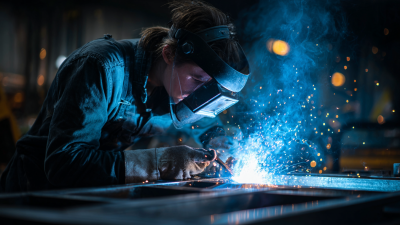
Flux Brazing is really changing the game when it comes to joining metals across different industries. Basically, it uses a filler metal along with flux to make joints that are not only strong but also last a long time. One of its coolest features is that it helps prevent oxidation, so the bond stays clean and reliable. If companies jump on board with Flux Brazing, they often see improvements in both how efficiently they produce things and the overall quality of their products.
Now, the perks are pretty impressive. This method can be used to connect both similar and different types of metals, which is pretty handy. Plus, it’s great at handling thermal cycling and stress—things that can mess with other joining methods. Take Acme Manufacturing, for example—they’ve seen their performance shoot up and failures drop just by switching to this process. That said, some folks might hesitate because the initial setup isn’t exactly cheap, and learning how to do it right takes a bit of time and practice.
Getting Flux Brazing up and running requires some careful planning and skilled technicians. It can feel a bit overwhelming if your team’s new to it. But honestly, if you can push through the initial hurdles, the long-term benefits tend to outweigh the trouble. Those who are willing to adapt and learn can gain a real edge over competitors and end up with products that are more reliable and durable in the long run.

What is Flux Brazing? An Overview of the Process and Techniques
Flux brazing is a high-temperature metal-joining process. It relies on a filler metal that melts above 450°C but below the melting point of the base metals. The process uses flux to prevent oxidation and facilitates flow. This technique is suitable for joining different metals and creating strong, durable bonds.
In practice, the flux itself is crucial. It can come as a powder, paste, or liquid. Proper selection enhances joint quality. A well-executed braze creates a smooth, clean surface. Often, joints can withstand significant stress. However, inconsistencies in the flux application may lead to issues. A poor bond can occur if the flux doesn’t adequately cover the surfaces.
Another consideration involves heat management. Overheating can damage components. Precision in temperature control is essential during the brazing process. Many technicians face challenges matching the right temperatures for specific materials. Understanding the nuances of flux brazing is vital. Overall, it’s a valuable technique that requires careful attention to detail.
The Science Behind Flux Brazing: Key Principles and Materials Used
Flux brazing is an effective joinery technique that utilizes a filler metal, usually above 450°C. Key materials include copper, silver, and aluminum. The type of flux used is crucial, as it removes oxide films and enhances wetting. Research indicates that appropriately selected flux can improve joint strength by up to 30%. Understanding these materials defines successful applications in industries such as automotive, aerospace, and electronics.
The efficacy of flux brazing hinges on temperature control and the material composition of both the base and filler metals. For instance, the melting point of filler metal needs to align with the base material’s thermal properties. A detailed study shows that mismatched temperatures can lead to joint fatigue and failure rates exceeding 15%. Such nuances highlight the importance of precision in choosing brazing materials.
While flux brazing offers several benefits, challenges exist. Not all materials are compatible, leading to reliability issues. Furthermore, environmental conditions and contamination can impair the brazing process. Manufacturers report that nearly 20% of joints fail due to improper flux application or material selection. Regular review of processes is necessary to mitigate such risks and enhance overall efficiency in production.
Benefits of Flux Brazing Over Traditional Welding Methods
Industry Applications of Flux Brazing Across Multiple Sectors
Flux brazing is gaining traction in various industries due to its versatility and effectiveness. This technique is employed across sectors such as automotive, aerospace, and electronics. According to industry reports, the global flux brazing market is projected to reach $2.5 billion by 2025, reflecting its growing relevance. Each industry benefits uniquely. In automotive, flux brazing improves joint strength and enhances thermal conductivity. In aerospace, it ensures lightweight components can withstand extreme conditions.
Manufacturing processes often face challenges. One common issue is the proper selection of flux materials. The wrong choice can lead to inferior joint quality. Reports suggest that around 15% of brazing failures stem from inappropriate flux use. Moreover, cleaning procedures before brazing are crucial. Residual contaminants can weaken joints, making thorough cleaning a non-negotiable step.
Tips for successful flux brazing include ensuring surface cleanliness. A clean surface promotes better adhesion. Consider testing flux options for compatibility with base materials. This may reduce disruptions in production. Finally, monitoring the heating process can prevent overheating, minimizing risks of base material deformation. Consistent training for technicians is equally critical to maintain quality standards.
What is Flux Brazing and How Does it Benefit Your Business? - Industry Applications of Flux Brazing Across Multiple Sectors
| Industry Sector |
Applications |
Benefits |
| Automotive |
Joining components such as radiators and heat exchangers |
Enhanced durability and resistance to thermal fatigue |
| Aerospace |
Assembly of aircraft structures and components |
Weight reduction and improved structural integrity |
| HVAC |
Connection of tubing and fittings in heating and cooling systems |
Leak-free joints and improved thermal efficiency |
| Electronics |
Attachment of electronic components and heat sinks |
Better heat dissipation and prolonged component life |
| Energy |
Manufacturing of solar panels and wind turbines |
Increased efficiency and reliability of energy systems |
Cost-Benefit Analysis: Why Invest in Flux Brazing for Your Business?
Investing in flux brazing can lead to significant cost savings for your business. This method improves the strength and durability of joints in various materials. By utilizing flux, you create a cleaner interface, which enhances the bond. This efficiency reduces the need for expensive repairs or replacements in the long run. Imagine reducing your failure rates and minimizing downtime.
However, there are initial costs to consider. The equipment needed for flux brazing can be an investment. Training staff to properly use this technique can also require a budget allocation. Yet, the long-term benefits often outweigh these upfront expenses. Effective training programs can elevate the skill level of your workforce, leading to higher quality production.
There's a growing body of evidence supporting flux brazing. Case studies show lower operational costs and improved product performance. Companies report higher customer satisfaction due to the reliability of their products. Still, it’s crucial to evaluate if flux brazing aligns with your specific needs. Not every business may see immediate benefits, but for many, the investment proves worthwhile.
Comparison of Flux Brazing with Other Joining Methods in Manufacturing
Flux brazing is a versatile joining method with distinct advantages over traditional techniques like welding and soldering. It employs a filler metal and flux to achieve strong bonds, making it ideal for various materials, including metals and ceramics. Unlike welding, flux brazing operates at lower temperatures. This minimizes thermal distortion, which can be problematic in sensitive components.
When comparing it to soldering, flux brazing offers superior strength and durability. It can handle higher loads and provides better resistance to corrosion and fatigue. Many businesses benefit from this robust approach, especially in industries like automotive and aerospace, where reliability is critical. Nevertheless, the process requires proper equipment and skilled operators.
**Tips:** Ensure the surface is clean before brazing. Contaminants can weaken the bond. Proper temperature control is essential; too hot can damage materials. Regularly inspect your setup to maintain quality. A little attention can prevent costly failures.
Quality Control in Flux Brazing: Standards and Best Practices
Quality control in flux brazing is essential for ensuring strong, durable joints.
This process involves joining metals through the use of a filler material and flux. Adopting best practices can elevate the quality of your products.
One critical standard in flux brazing is the cleanliness of surfaces. Any contaminants can lead to weak joints.
Make sure to clean the surfaces properly before starting. Use appropriate solvents and tools.
Regular training for staff can help maintain these standards.
Another important aspect is temperature control.
The right temperature ensures proper melting of filler material. Too high or low temperatures can cause defects.
Invest in reliable temperature monitoring equipment to avoid potential issues.
Tip: Regularly review your quality control checklist. It helps identify areas needing improvement.
A final tip involves documenting each job. Maintain records of brazing parameters and inspection results.
This will create a reliable reference for future projects.
Future Trends in Flux Brazing Technology: Insights and Innovations
Flux brazing is evolving rapidly, offering businesses innovative solutions. Recent technological advancements have focused on improving efficiency and reducing costs. New materials are being developed, making the process more adaptable across industries. Companies should be aware of the potential of advanced flux formulations. These formulations are designed for higher performance, especially in demanding environments.
Another significant trend is automation in the brazing process. Automatic machines can perform flux brazing with high precision and minimal waste. This transition toward automation is vital for maintaining quality control. However, some businesses may still struggle with the initial investment. They may fear losing the craftsmanship aspect traditional methods provide. The challenge lies in balancing automation and skilled labor.
Sustainability is increasingly important in flux brazing technologies. Many companies are exploring eco-friendly flux options and waste reduction methods. Incorporating these sustainable practices can enhance brand reputation and compliance with regulations. Nonetheless, organizations must evaluate cost versus benefit. Transitioning to greener practices may require substantial changes in operations. Companies should carefully assess their readiness for this shift.
FAQS
: Flux brazing is used in automotive, aerospace, and electronics industries. Each sector benefits differently.
Proper cleaning removes contaminants. Residuals can weaken joints and lead to failure.
Choosing inappropriate flux can lead to poor joint quality. Around 15% of failures stem from this issue.
It creates a cleaner interface, enhancing the bond between materials. This increases durability.
Yes, there are costs for equipment and training. But these can lead to long-term savings.
It prevents overheating and reduces the risk of material deformation. This ensures better results.
Skilled technicians maintain quality standards. Training programs can improve production quality significantly.
Many businesses find the long-term benefits outweigh the initial costs. Improved performance and lower operational costs are key.
Neglecting compatibility testing of flux with base materials. This can disrupt production and lead to failures.
Conclusion
Flux brazing is a versatile joining process that utilizes a filler metal and flux to create strong, durable connections among various materials. This method is characterized by its ability to achieve excellent joint strength while maintaining the integrity of the base materials, making it suitable for different industries, including automotive, aerospace, and HVAC. The science behind flux brazing involves understanding the key principles and materials used, ensuring effective adhesion and resistance to corrosion.
Companies considering flux brazing can benefit from a thorough cost-benefit analysis, as investing in this technique often results in reduced manufacturing costs and improved product quality. Additionally, flux brazing stands out against other joining methods due to its efficient application and flexibility. Maintaining quality control through established standards and best practices is crucial for successful implementation. As technology advances, flux brazing is expected to evolve further, leading to innovations that enhance its effectiveness and broaden its applications in manufacturing.