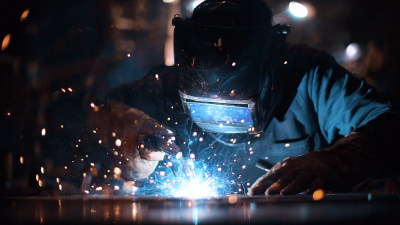
Engineering welding is such a vital skill, especially in manufacturing and construction. Did you know the American Welding Society (AWS) predicts the welding market will hit around $28 billion by 2026? That just shows how much demand there is for skilled welders out there. Companies like Lincoln Electric and Miller Electric are really pushing the envelope with new solutions to help boost productivity.
Now, for folks just starting out, welding can feel pretty overwhelming at first. There’s a lot to learn—safety rules, handling all that equipment, choosing the right materials—and honestly, a lot of beginners struggle with the basics. It turns out around 61% of new welders find the fundamental techniques tricky at first. But a little knowledge about the science behind welding can really help clear things up. And don’t forget: practice makes perfect, but it’s also super important to reflect on mistakes. Seriously, recognizing where you mess up is just part of the learning process.
Another thing worth noting is that even with all this demand, the job growth for welders isn’t super fast—only about 3% by 2031, according to the Bureau of Labor Statistics. It’s a bit slower than average, but I wouldn’t say there aren’t opportunities. By sharpening your engineering welding skills, you can boost your chances of landing a good job and maybe even find some new doors opening up.
So, my advice? Embrace the learning journey, and keep developing these essential skills. It’s all about sticking with it and improving bit by bit—you’ll get there!
Welding is a pivotal skill in engineering, often serving as the backbone of construction and manufacturing. Understanding the basics requires familiarity with various welding types. These include MIG, TIG, and Stick welding. Each method has its own advantages, making them suitable for different applications. A report by the American Welding Society states that about 40% of welders are currently employed in construction, highlighting the industry's reliance on welding techniques.
MIG welding, known for its ease of use, is often preferred by beginners. It utilizes a continuous wire feed, which can make it quicker to learn. However, many beginners may struggle with heat control, leading to burn-through or inconsistent welds. TIG welding, on the other hand, offers greater precision but requires more skill. The trade-off often involves a steeper learning curve. According to industry surveys, 30% of novice welders experience frequent difficulties with these processes.
Understanding these basics is essential, yet not sufficient on its own. Many beginners overlook safety protocols, which can lead to injuries. A significant number may think they can skip protective gear, but this has dire consequences. Also, a common pitfall is not practicing enough. The more time spent with the equipment, the better. In fact, reports indicate that hands-on training is crucial for skill acquisition. Get comfortable with your tools, but never underestimate the need for constant improvement.
When diving into welding, having the right tools is crucial. A welding machine is your main equipment. There are different types, like MIG and TIG. Each serves a purpose and comes with its own learning curve. Choose based on your project needs. A good helmet is also essential. It protects your eyes from harmful rays. Make sure it fits snugly. Otherwise, it may distract you while working.
Other important tools include gloves and protective clothing. Leather gloves provide better grip and protection. You need to stay safe while handling hot metals. A welding cart can help organize your setup. You might not realize how much easier it is to work with everything in reach. A tool kit with basic hand tools will always come in handy. These help with adjustments and repairs along the way.
As you start your welding journey, remember that practice is key. You will make mistakes. Learning from them is part of mastering the craft. Equipment failings can happen. It’s frustrating, but it’s a learning experience. Each challenge you face will mold your skills and help you improve in the long run.
Welding can be rewarding, but safety must always come first. Wear protective gear like gloves, goggles, and a welding helmet to shield yourself from sparks and UV light. Not every novice understands the importance of these basics. A simple oversight can lead to serious injuries. Ensure the workspace is clean and free from flammable materials. This small detail is often forgotten but vital.
Use proper ventilation when welding. Fumes can be harmful. Ideally, work in an open area or use exhaust fans. Many beginners underestimate how quickly harmful gases can build up. Practicing with lower settings can help you get comfortable. Don't rush through the learning process. It's easy to feel frustrated and make mistakes. Each error is a chance to learn and improve.
Always check your equipment before starting. A malfunction can lead to accidents, ruining both your project and your safety. Remember, it's okay to ask for help. Even experienced welders learn from others. The journey of mastering welding techniques involves constant reflection and adjustment. Embrace the challenges and focus on improvement. Each step forward builds your skills and confidence.
When it comes to welding, mastering techniques is essential. Beginners often feel overwhelmed. Arc welding is a great starting point. It uses electricity to create heat. The process involves striking an electric arc between an electrode and the metal. This technique is versatile and widely used in various industries. However, achieving a strong bond requires practice. Your first few attempts might result in uneven seams or burn-throughs. Don't be discouraged; learning from mistakes is key.
MIG welding offers a different approach. It feeds a continuous wire electrode into the weld pool. This makes it faster for beginners. The process is easier but can lead to spattering if not controlled. It requires attention to detail and proper settings. Beginners may find themselves adjusting the voltage and wire feed speed often. Experimentation is important here. Finding the right balance might take several tries. Keep a notebook of your settings and results. This could help you identify what works best.
In both techniques, safety is critical. Ensure you wear protective gear. Pay attention to your surroundings; distractions can lead to accidents. Reflect on each weld you complete. What went well? What didn't? These reflections will help you grow your skills. Remember, every expert was once a beginner. The journey can be challenging but rewarding. Embrace the process!
Welding positions are crucial for both safety and quality. Beginners must learn four main positions: flat, horizontal, vertical, and overhead. Each position presents unique challenges. A report from the American Welding Society highlights that proper technique in these positions can significantly reduce defects in weld quality.
In the flat position, welders work with the surface facing down. This allows gravity to assist in the process. It is by far the easiest position for beginners. However, transitioning to the horizontal position introduces more complexity. The welder must maintain a steady hand to avoid slipping. This position requires strength and precision.
The vertical position poses another level of difficulty. Welders often struggle with controlling heat. Too much heat can cause the weld to sag or drip. Finally, the overhead position is the most demanding. Here, welders fight against gravity. It can lead to fatigue and requires a solid understanding of technique. Mistakes can happen, and it’s important for beginners to reflect on their experiences.
Continuous practice and self-evaluation are key to mastering these welding positions.
Welding is a skill that requires practice and attention to detail. Beginners often encounter common issues that can hinder their progress. Understanding these problems is essential. According to industry reports, nearly 30% of weld failures stem from poor technique and lack of experience. These failures can lead to wastage and rework, frustrating many newcomers.
One frequent issue is improper bead formation. A bead that is too wide or too narrow can weaken the joint. Beginners may struggle to maintain the right arc length, which affects heat distribution. This lack of control can result in burn-through or undercutting. Observing expert welders and seeking feedback can significantly reduce these mistakes.
Another problem is contamination. Dirt, oil, or rust on the metal surface can compromise weld quality. Reports indicate that over 50% of weld defects arise from inadequate surface preparation. Clean surfaces lead to stronger bonds and overall better results. Encouraging beginners to develop thorough cleaning habits can minimize these setbacks. Learning to troubleshoot is just as important as mastering techniques. Embracing these challenges is key to becoming a skilled welder.
Practicing welding techniques requires creativity and hands-on experience. For beginners, starting with small projects can build confidence. Consider making a simple metal garden planter. It’s functional, and you’ll practice various joints. Use scrap metal if available. This reduces costs while pushing your skills.
Another idea is to create a metal sculpture. Start with basic shapes. Your design doesn’t need to be perfect. Embrace mistakes as learning opportunities. Each weld will teach you something new. After welding the metal pieces together, step back and assess your work. What could be better? What do you like?
Building a sturdy workbench is also helpful. This project lets you practice different techniques. Choose the right height for comfort. It may take several attempts to get it right. Don't be discouraged by failures. Each project hones your skills further. Keep experimenting, and growth will follow.
: Take a break. Breathe deeply. Step away for a moment. Reflect on your feelings.
Limit distractions. Set a quiet workspace. Take short breaks. Try the Pomodoro technique.
It boosts mental health. Caring for yourself enhances productivity. It also improves your overall well-being.
Establish a routine. Avoid screens before bed. Create a calm environment. Consider relaxation techniques.
Exercise regularly. Practice mindfulness. Connect with friends. Journal your thoughts for clarity.
Fatigue is common. You might feel detached. Lack of motivation can also arise. Reflect on your workload.
It’s normal to feel unmotivated. Sometimes, goals seem too big. Break tasks into smaller steps.
Prioritize tasks. Create a daily schedule. Limit multitasking. Be present in each task.
Yes, it's healthy to set boundaries. Saying no protects your time. Reflect on your needs before agreeing.
Surround yourself with supportive people. Practice gratitude daily. Engage in activities that uplift you.
Mastering engineering welding techniques is essential for beginners looking to enter the field. The journey begins with understanding the basics of welding, including the various types and processes involved. Essential tools and safety precautions are highlighted to ensure a secure working environment. Different techniques for joining metals, such as Arc and MIG welding, are explored, emphasizing the importance of mastering various welding positions, including flat, horizontal, vertical, and overhead.
To build proficiency, beginners are encouraged to troubleshoot common welding issues and practice their skills through project ideas designed for novice welders. By following these structured guidelines, aspiring welders can develop a strong foundation in engineering welding, equipping them with the necessary skills for successful metalworking careers.