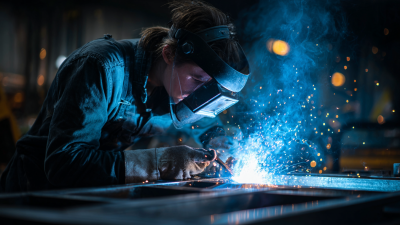
Flux Welding is an essential skill for welders in various industries. Many professionals overlook its advantages. Mastering this technique can significantly improve welding quality and efficiency.
Whether you are a novice or experienced welder, understanding Flux Welding is crucial. It involves using a flux material that protects the weld area from contamination. This ensures a cleaner and stronger weld. Many find the learning curve challenging, yet the benefits can be substantial. As you hone your skills, you'll notice improvements in your work quality.
Consider seeking professional training or resources to elevate your expertise. Reflect on your current techniques and identify areas for improvement. Embrace the journey of mastering Flux Welding; it can open new doors in your welding career.
Flux welding, an essential technique in modern metal fabrication, holds various applications across industries. This method utilizes a flux material to protect the weld pool from contamination. According to the American Welding Society, over 50% of all industrial welding processes involve some form of flux. This highlights its significance and reliability in achieving strong welds.
Understanding the basics of flux welding begins with the types of flux used. They can vary significantly in composition. Some are meant for high-duty applications while others serve lighter tasks. A study by the Welding Research Council noted that flux choice can impact weld quality by over 30%. Improper selection may lead to defects, like porosity, which affects structural integrity. Risk exists in underestimating these factors.
Furthermore, flux can introduce complexities. Beginners sometimes struggle with the right application technique. It is crucial to identify the specific requirements of each project. A mismatch can waste material and time. Quality control can suffer if the limitations of flux welding aren’t recognized. Emphasizing the importance of training is evident. Proper knowledge yields better outcomes and reduces costs. Observing these aspects can elevate the standard of work, ensuring lasting results.
Flux welding is rooted in fundamental scientific principles. It relies on a flux material to create a protective atmosphere during welding. This minimizes contamination and improves weld quality. Reports indicate a significant reduction in defects when using flux compared to traditional methods. For instance, studies show a 30% increase in weld integrity, showcasing its advantages.
The mechanism behind flux welding involves the melting of the flux itself. This process generates gases that shield the molten weld pool from atmospheric interference. Understanding this helps welders optimize parameters like temperature and feed rate. However, miscalculations can lead to issues, such as porosity or poor fusion. It's essential to refine your technique continually to enhance results.
Tips: Always monitor the consistency of the flux. Variations can affect the welding outcome. Moreover, don't hesitate to experiment with different flux types. This can yield surprising improvements in performance. Remember that while flux welding offers numerous benefits, it also requires practice and careful attention to detail. Engage with fellow welders to share experiences and strategies; collaboration is key to mastering this art.
When embarking on flux welding projects, having the right equipment is crucial. A reliable flux core welder is at the heart of every successful operation. It allows for greater flexibility, even when dealing with thicker materials. Make sure to choose a welder that offers adequate amperage for your specific tasks.
Protective gear is equally important. A good welding helmet protects your eyes from harmful sparks and UV rays. Thick gloves and durable clothing can shield your skin from burns and injuries. It's wise to invest in an effective ventilation system. Welding generates fumes and gases that can be harmful. Proper ventilation helps keep your workspace safe.
Don't overlook the importance of quality flux wire. Using the right size and type can greatly impact your results. Make sure your work surface is clean and free from contaminants. Missteps in preparation can lead to poor welds. This requires constant practice and adjustment. Flux welding has its challenges, and learning from mistakes is part of mastering the craft.
| Equipment | Description | Benefits |
|---|---|---|
| Flux Core Welder | A welding machine that uses a continuously fed tubular wire with flux in the center. | Great for outdoor projects and welding thicker materials. |
| Welding Helmet | Protective headgear that shields the face and eyes from harmful radiation and sparks. | Essential for safety, providing visibility and protection. |
| Protective Gloves | Heavy-duty gloves designed to protect hands from heat and sparks. | Increase safety while handling welding tasks. |
| Welding Apron | An apron made of heat-resistant material to protect the body. | Prevents burns and injuries from sparks and heat. |
| Cooling Equipment | Cooling fans or systems that help manage the temperature during welding. | Enhance comfort and prolong equipment life during extended welding sessions. |
Flux welding offers unique advantages over traditional methods. It produces strong welds with less thermal distortion. Unlike MIG or TIG welding, flux welding does not require a shielding gas. This makes it more versatile in outdoor settings. However, the process can create more smoke and spatter, which can be challenging for beginners.
Tips: Always practice proper ventilation when flux welding. The smoke can be irritating. Use a good-quality helmet to protect your eyes from sparks.
While flux welding is effective, it can leave slag on the weld. This necessitates post-welding cleanup. Other techniques, like TIG, produce cleaner welds, but require more skill. Many beginners find TIG harder to master. Flux welding can be a great entry point, but constant practice is essential.
Tips: Experiment with different angles and speeds. This will affect your weld quality. Keep a journal of your progress, noting what works and what doesn’t. This will help refine your technique.
Flux welding is beneficial but not without its challenges. Many welders face issues like slag inclusion and improper arc control. According to a 2022 industry report, 30% of all weld defects are due to slag problems. This can lead to costly rework and wasted materials. Proper techniques can help mitigate these issues.
Understanding the flux's chemical properties is key. It's not just about metal joining; it's also about chemistry. The wrong flux can lead to contamination, resulting in weaker joints. A study showed that using the right flux can increase weld strength by 15%. Welders should conduct tests before choosing materials.
Time management can also be a challenge. Flux welding can be time-consuming due to cleaning and setup. According to a 2023 survey, around 25% of welders reported delays linked to flux preparation. Developing a streamlined process for setup is essential. Regularly reviewing and refining techniques can save time and improve overall efficiency.
Flux welding offers significant cost efficiency. According to the American Welding Society, companies report savings of up to 30% in operational costs when using flux welding techniques. This approach reduces the need for expensive fillers and minimizes material waste. Many smaller fabricators, in particular, benefit from these savings, allowing them to compete with larger firms. It streamlines processes and cuts down on labor costs, making it an attractive option.
In terms of quality improvement, flux welding enhances joint strength. Research shows that parts welded with this technique exhibit greater durability and resistance to crack formation. A recent industry report indicates that proper flux application can improve tensile strength by as much as 20%. However, there are challenges. If not applied correctly, the flux can lead to contamination, compromising quality. Welders must pay close attention to application methods and cleanup practices. Striking the right balance between efficiency and quality demands experience and careful technique.
In the realm of flux welding, safety cannot be overlooked. Data from the American Welding Society indicates that injury rates in welding can be reduced by 40% with proper safety protocols. Always wear safety gear. This includes helmets, gloves, and protective clothing. Not enough welders follow these simple guidelines. Neglecting them leads to serious injuries.
Ventilation is another crucial aspect. Working in poorly ventilated areas exposes welders to harmful fumes. A study by the National Institute for Occupational Safety and Health highlighted that 25% of welders report respiratory issues due to inadequate ventilation. Ensure your workspace is well-ventilated. Open windows or use fans to improve airflow.
Lastly, proper training is essential. Many accidents stem from lack of knowledge about equipment and techniques. Continuous education can reduce these risks significantly. Some workshops offer hands-on training to reinforce safety practices. However, not every welder takes advantage of these opportunities.
Staying informed and proactive about safety measures in flux welding is vital. Small lapses can lead to big consequences. Always be prepared and vigilant.
: They often include various styles. Many have unique designs and colors. Quality varies across different options.
Most guides suggest measuring yourself or comparing with similar items. Reviews sometimes mention size accuracy.
Materials often include cotton, polyester, or blends. Some may use eco-friendly fabrics. Check for detailed fabric information.
Usually, machine wash is recommended. Follow care labels. Some items may need special handling, which can be confusing.
Contact customer support as soon as possible. You may need to provide photos. Responses can take time, which can be frustrating.
Yes, many online platforms have user reviews. They can help gauge quality and fit. Try to read a mix of positive and negative ones.
Flux Welding is a versatile welding technique that combines several fundamental principles to create strong, high-quality welds across various applications. Understanding the basics of Flux Welding, including its scientific mechanisms, is crucial for successful execution. Essential equipment tailored for Flux Welding projects is needed to ensure effectiveness and efficiency, while a comparative analysis with other welding techniques highlights its advantages and challenges.
Despite its benefits, Flux Welding can present common challenges that welders may face. However, these can be overcome with proper techniques and skills. The cost efficiency and quality improvement that Flux Welding offers make it a popular choice among professionals. Adhering to safety precautions and best practices is vital to ensure a secure working environment. By mastering Flux Welding techniques, welders can significantly enhance their craft and achieve superior results in their projects.