0%

Wire electrode technology has really shaken up the manufacturing world over recent years. I was reading a report from Allied Market Research, and it mentioned that the global market for Wire Electrical Discharge Machining (EDM) is expected to hit around $7.6 billion by 2027. That’s pretty impressive, right? It just shows how important wire electrodes are becoming, especially when it comes to precision machining.

Basically, a wire electrode is super key in processes like EDM — it's what allows manufacturers to cut and shape materials with incredible detail. The level of accuracy you get with wire electrodes is pretty much unmatched. For example, companies can produce complex shapes and designs that would be a nightmare or downright impossible with traditional cutting tools. That said, not all wire electrodes are created equally. Things like what the wire’s made of and its thickness really impact how well it performs.

Of course, there are still some hurdles to clear. One big issue is maintaining consistent quality and performance — you don’t want to get variable results just because of minor differences in the electrodes. That’s why choosing the right wire electrode is so important. Ongoing research and development are crucial if we really want to unlock its full potential. The journey is far from over, but honestly, the progress so far is pretty exciting.

What is Wire Electrode and How Does it Work?

What is a Wire Electrode?

What is Wire Electrode and How Does it Work?

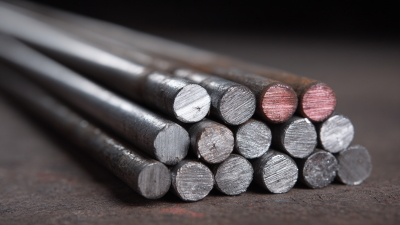
A wire electrode is a crucial component in the process of wire electrical discharge machining (EDM). It is made from a thin wire, typically copper or brass, that serves as an anode during the machining process. The wire is continuously fed through the workpiece, creating a precise cut without physical contact. This technology is widely utilized in industries such as automotive and aerospace for its ability to create complex shapes and detailed surfaces.

The operational mechanism of a wire electrode involves spark erosion. Electric pulses create short but intense sparks between the wire and the workpiece. According to industry research, wire EDM can achieve tolerances of ±0.0001 inches. This precision level is essential when manufacturing intricate components. However, this technology does have limitations. The wire can break or wear down quickly, leading to increased costs and downtime.

Furthermore, cooling fluids are often used to manage heat during this process. While this helps maintain accuracy, it can introduce environmental concerns. Reports show that improper disposal of these fluids can impact local ecosystems. Thus, while wire electrodes offer remarkable attributes, they also highlight areas needing attention and improvement in sustainable manufacturing practices.

The Composition of Wire Electrodes

Wire electrodes are essential components in electric discharge machining (EDM). They mainly consist of copper, brass, or coated materials. The choice of material impacts their performance. For instance, copper provides excellent conductivity, while brass is noted for its efficiency in specific applications. According to industry reports, nearly 70% of wire electrodes used in precision machining are made from brass due to its favorable properties.

The diameter of wire electrodes can vary significantly. Common sizes range from 0.15 mm to 0.30 mm. A thinner wire often results in finer cuts but may lead to quicker wear and tear. Research indicates that thicker wires can enhance stability but limit detail precision. Users often face challenges when selecting the appropriate diameter for their machining needs.

In practice, wire electrodes require careful monitoring. Providers should collect data on wear rates and cutting speed. Some reports suggest that a typical wire may lose 0.1 mm of diameter for every hour of operation. This variation can impact the overall machining process and lead to errors. Continuous improvement in wire composition is crucial for enhancing performance in various applications.

Types of Wire Electrodes Used in Industries

Wire electrodes are essential in various industrial applications. They play a vital role in processes like Electrical Discharge Machining (EDM). Different types of wire electrodes are utilized based on the material and requirements of the task.

One common type is the brass wire electrode. It is often chosen for its excellent conductivity and low cost. Reports show that brass electrodes can enhance the machining performance by up to 20% compared to other materials.

Another type is the copper wire electrode, which is preferred for its durability and strength. The copper electrodes are ideal for cutting harder materials, offering superior precision.

There are also coated wire electrodes that improve surface quality and reduce wear. These electrodes can prolong tool life significantly. However, their application may lead to higher operation costs. Industry data indicates that while coated wires offer benefits, they can also require more frequent replacements. Users must balance the advantages and drawbacks to make informed decisions.

How Wire Electrodes Operate in Electrical Discharge Machining

What is Wire Electrode and How Does it Work?

Wire electrodes are crucial in electrical discharge machining (EDM). They facilitate precise cutting of conductive materials. During EDM, the wire electrode creates a spark that erodes the workpiece. The process occurs in a dielectric fluid that cools and removes debris. Data from recent industry reports show that wire EDM can achieve tolerances of ±0.001 inches, proving its effectiveness for intricate designs.

In wire EDM, the electrode is usually made from copper or brass. These materials possess excellent conductivity, enhancing the efficiency of erosion. The machining process employs a fine wire, typically 0.01 to 0.25 inches in diameter. As the wire moves, sparks form and vaporize the workpiece surface. A study highlighted that wire characteristics could affect machining speed and surface finish. Feedback from users often emphasizes the need for improved wire stability and tension control.

However, the technology isn't without challenges. Maintaining optimal conditions is essential for achieving the desired results. Irregularities in wire tension can lead to inconsistent cutting paths. Factors like dielectric fluid quality and wire wear dramatically impact performance. Monitoring these aspects can be daunting. Some operators face difficulties in balancing speed with precision. Continuous refinement of techniques is necessary to maximize wire electrode efficiency in EDM processes.

Applications of Wire Electrodes in Manufacturing

Wire electrodes play a vital role in various manufacturing processes. They are commonly used in electrical discharge machining (EDM). This process involves removing material from a workpiece using electrical discharges. The precision and efficiency of wire electrodes make them a popular choice in the automotive and aerospace industries.

In the manufacturing sector, wire electrodes help create intricate shapes and designs. They are particularly effective in producing complex components with tight tolerances. Many manufacturers face challenges like wear and tear on the electrodes. This can affect production time and quality. The right choice of wire can help mitigate these issues. Regular maintenance and adjustments are essential for optimal performance.

Furthermore, innovation in wire electrode materials continues to evolve. New options offer improved conductivity and durability. However, there is a balance between cost and quality that manufacturers must consider. Investing in the latest technology can yield long-term benefits but may require upfront costs. Each step in this process demands careful evaluation and reflection to ensure efficiency and productivity.

What is Wire Electrode and How Does it Work? - Applications of Wire Electrodes in Manufacturing

Dimension Description Applications Material Used
Diameter Typically ranges from 0.1 mm to 0.3 mm Electrical Discharge Machining (EDM) Brass, Copper
Length Standard lengths vary from 1 to 25 meters Wire-cut EDM Stainless Steel, Alloyed materials
Surface Coating Coated for reduced wear and better performance Precision Engineering Nickel, Coated wires
Electrical Conductivity High conductivity essential for EDM process Tool Manufacturing Pure Copper

Advantages of Using Wire Electrodes

Wire electrodes are pivotal in various machining processes, offering distinct advantages. They provide high precision in cutting, which is often essential in intricate designs. The process utilizes an electrically charged wire to vaporize material, yielding clean edges. This minimizes the need for extensive finishing.

One major advantage of wire electrodes is their ability to process hard materials efficiently. They can tackle metals that are otherwise difficult to cut. This is particularly beneficial in industries such as aerospace and automotive, where durability is crucial. The flexibility of wire electrodes allows for complex geometries that traditional methods may struggle with.

Tip: Always ensure proper alignment of the wire during setup. Misalignment can lead to imprecise cuts and wasted materials. Regular maintenance of the wire is key to consistent performance.

Additionally, wire electrodes promote a cleaner working environment. Less debris is generated during the cutting process compared to traditional methods. This reduces cleanup time and maintains a safer workspace. However, it’s vital to monitor wire wear regularly. Over time, this can affect the quality of the cut, leading to potential errors.

Tip: Experiment with different wire materials. The choice can significantly impact the machining outcome and efficiency. Don't hesitate to adjust your settings based on recent results.

Maintenance and Care for Wire Electrodes

Proper maintenance is crucial for the performance and longevity of wire electrodes. Reports indicate that effective care can extend the lifespan by up to 30%. Regularly inspecting the electrode tension is essential. If it's too loose or too tight, it can lead to uneven wear and suboptimal cutting performance. Remember, an improperly maintained wire electrode might create more waste and increase operational costs.

Cleaning the wire electrodes should not be overlooked. Contaminants accumulate during operations, affecting conductivity. Using a wire cleaner designed for this purpose can improve the efficiency of the electrode. Regular cleaning may result in a 15-20% improvement in machining accuracy. Neglect leads to corrosion and reduced life expectancy, which can easily be avoided with routine care.

Monitoring the wire feed rate is another essential aspect of electrode maintenance. An incorrect feed rate can cause wire breakage, leading to production delays. Industry data shows that 12% of downtime in wire EDM processes is attributed to wire-related issues. Keeping track of the feed settings can minimize these interruptions. Frequent inspections and adjustments can sustain optimal performance, ensuring that each operation runs smoothly.

Wire Electrode Usage Statistics

This bar chart illustrates the average usage of wire electrodes across different applications based on industry research and usage statistics.

FAQS

: What is the purpose of a community center?

: A community center provides space for social gatherings and activities. It fosters connection among residents.

How can I get involved in local events?

You can check community boards or online platforms for upcoming events. Volunteering is a great way to connect.

Are community centers only for certain age groups?

No, they cater to all ages. There are programs for children, adults, and seniors.

What types of programs are typically offered?

Programs may include fitness classes, workshops, arts and crafts, and cultural events.

Is there a cost to participate in activities?

Some activities may have fees, while others are free. It's best to inquire locally for specifics.

How can I share my ideas for new programs?

Many centers welcome suggestions. You can usually submit feedback online or through a suggestion box.

Are community centers available for private events?

Yes, they often rent space for parties or meetings. Check availability and any associated costs.

What if I feel disconnected from my community?

It can be tough. Start small by attending an event or joining a group. Building connections takes time.

Who runs community centers?

They are typically managed by local governments or nonprofit organizations. Staff members can assist you.

How do I find my nearest community center?

You can use online maps or community resources. Local residents may also provide recommendations.

Conclusion

A Wire Electrode is a crucial component used in electrical discharge machining (EDM), characterized by its thin, continuous wire that serves as the tool for material removal. Typically made from materials such as brass or copper, wire electrodes come in various types that cater to specific industrial applications, optimizing the machining process. The operation of wire electrodes in EDM involves precisely controlled electrical discharges that erode the workpiece, allowing for the creation of intricate shapes with high precision.

Wire electrodes are widely used in manufacturing for applications like creating molds, dies, and complex geometries that are difficult to achieve with conventional machining methods. The advantages of using wire electrodes include improved accuracy, reduced material wastage, and the ability to machine hard materials. Proper maintenance and care are essential to ensure their longevity and performance, highlighting the importance of regular checks and replacements as part of the machining process.

Ethan

Ethan

Ethan is a dedicated marketing professional at Wenzhou Tianyu Electronics Co., Ltd., where he leverages his extensive knowledge of the company's diverse product range to deliver exceptional results. With a keen understanding of the electronics industry, Ethan plays a pivotal role in enhancing the......
Previous Evaluating the Advantages of Tungsten Welding vs. Alternative Welding Methods for Global Manufacturing