
Heavy industry operations—from offshore platforms to chemical reactors—rely on welded structures that withstand harsh, corrosive environments day in and day out. When these structures fail due to poor corrosion resistance, the costs stack up: unplanned downtime, costly repairs, and even safety risks. It’s no wonder demand for reliable corrosion-resistant welding materials is surging, with alloys like ER316L emerging as a go-to solution for critical applications. This shift isn’t just a trend—it’s a response to industry-wide challenges that buyers and engineers face daily.
For heavy industry buyers, the priority is clear: materials that deliver consistent performance without compromising on durability or compliance. Corrosion, especially from chloride-rich environments or extreme temperatures, is the top culprit behind welding failures. Recent data shows 37.6% of welding-related breakdowns stem from inconsistent material performance or poor resistance to harsh conditions . This is where ER316L stainless steel welding wire stands out—not just as a product, but as a solution to these pervasive pain points.
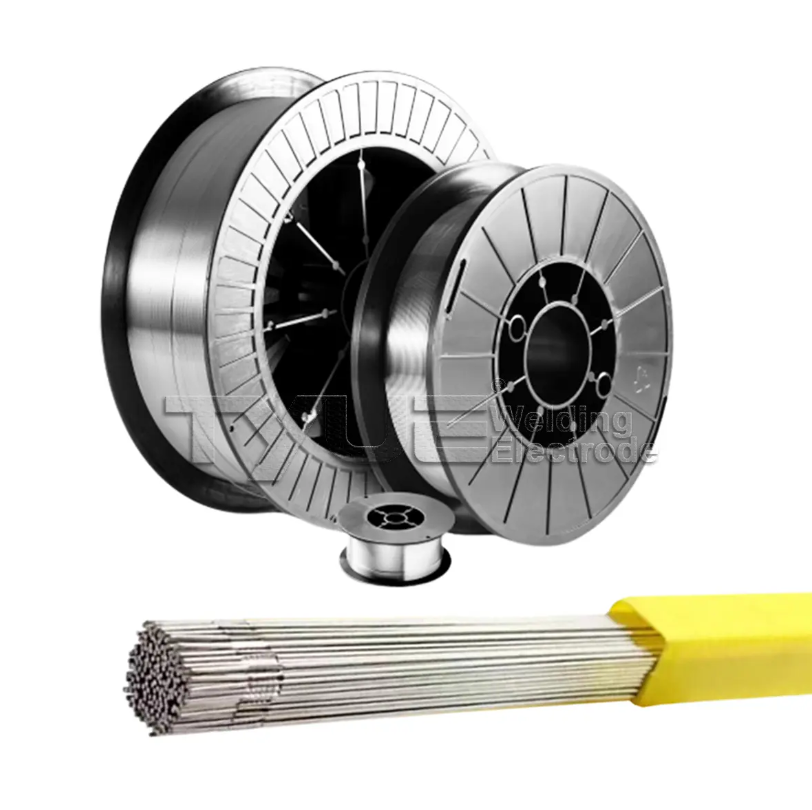
ER316L is a low-carbon austenitic stainless steel welding wire, distinguished by its molybdenum content (2.0%-3.0%) that boosts resistance to pitting and crevice corrosion—two of the most destructive forms of corrosion in heavy industry . Unlike standard alloys like ER304L, its molybdenum addition elevates the Pitting Resistance Equivalent Number to 24-28, making it ideal for environments where chloride exposure is unavoidable . Its low carbon content (≤0.03%) also prevents intergranular corrosion, a common issue when welded structures are exposed to moderate heat cycles.
What matters most to industry buyers, however, is how ER316L aligns with real-world heavy industry needs. Take marine engineering and offshore projects: structures here endure constant seawater immersion, salt spray, and temperature fluctuations. ER316L’s ability to maintain structural integrity in these conditions reduces the need for frequent maintenance, a key cost-saving factor for operators. Similarly, in the chemical and petrochemical sectors, where acidic and chloride-based fluids are prevalent, ER316L’s corrosion resistance ensures compliance with safety standards and extends equipment lifespan.
The rising demand for corrosion-resistant welding materials like ER316L is also tied to broader industry shifts: heavy industry’s move toward green manufacturing and high-end equipment upgrades. As regulations around emissions and sustainability tighten, buyers are seeking materials that support both efficiency and eco-friendliness. ER316L fits this bill by enabling longer-lasting structures—reducing the carbon footprint associated with replacements and repairs. Additionally, as sectors like renewable energy expand, the need for corrosion-resistant welding solutions in extreme environments grows.
For buyers navigating the market, choosing the right corrosion-resistant welding material goes beyond picking a product—it’s about matching the alloy to the application. ER316L strikes a balance between performance and practicality: it offers superior corrosion resistance compared to entry-level alloys, while remaining more cost-effective than high-molybdenum alternatives like ER317L. It also boasts excellent weldability, compatible with common methods like GTAW and GMAW, and works well with both 316L stainless steel and (dissimilar steels) like 304L, adding versatility for complex projects.
Quality consistency is another non-negotiable for heavy industry buyers—and a key reason ER316L is in high demand. Inconsistent batch quality can lead to catastrophic failures, especially in critical applications like LNG storage or nuclear power equipment. Reputable ER316L suppliers adhere to strict standards to ensure uniform chemical composition and mechanical properties, minimizing the risk of performance fluctuations . Buyers should prioritize suppliers that offer traceability and compliance documentation, as these are indicators of reliable, high-quality products.
Looking ahead, the demand for corrosion-resistant welding materials in heavy industry will only grow as equipment operates in increasingly extreme conditions and sustainability becomes a core priority. ER316L will remain a staple for buyers seeking a proven, versatile solution that addresses corrosion challenges, reduces long-term costs, and aligns with industry trends. For those in heavy industry, investing in the right corrosion-resistant welding material isn’t just a purchase—it’s an investment in operational reliability and safety.
Post time: Jan-22-2026