
There’s nothing more frustrating than striking an arc with your weld stick, only to be met with spatter, porosity, or a weak weld that won’t hold. Whether you’re fixing farm equipment in the field or fabricating steel structures in a shop, weld stick is a workhorse process—but it’s prone to common hiccups that even seasoned pros face. This guide cuts through the jargon to fix the most annoying weld stick problems fast, so you can get back to creating strong, clean welds every time.
What You Need to Know About Weld Stick Basics & Industry Traits
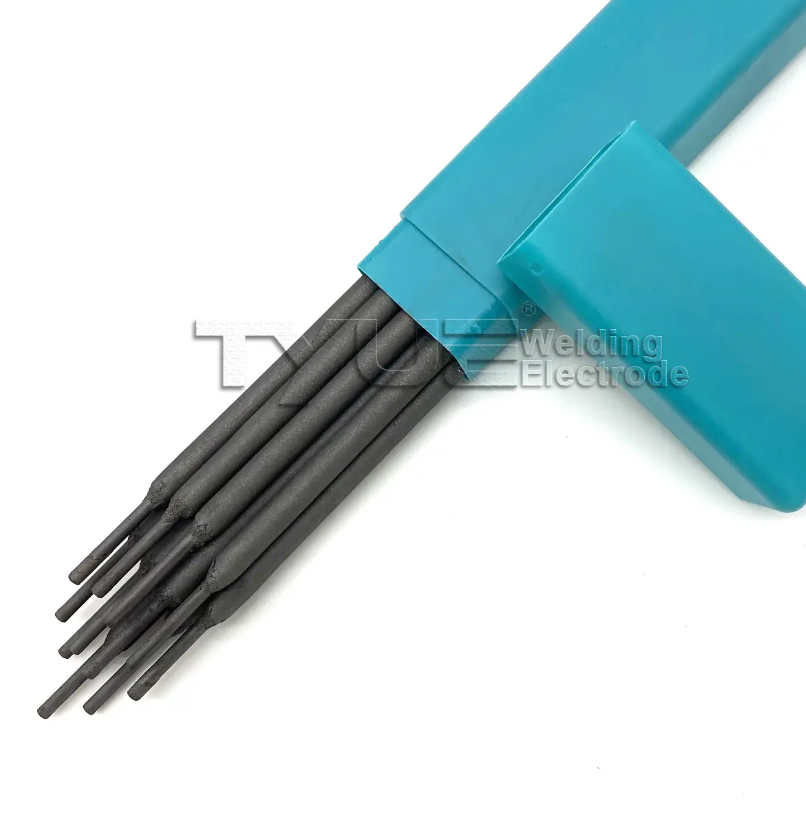
Weld stick, the backbone of manual welding for decades, relies on a consumable electrode coated in flux to create an arc, melt metal, and form a weld. Unlike MIG or TIG welding, it’s portable, wind-resistant, and works on dirty or thick materials—making it indispensable for construction, pipeline repair, heavy machinery maintenance, and outdoor jobs . The flux coating is critical: it burns to release protective gas and form slag, shielding the weld pool from contaminants. But here’s the catch—small missteps in storage, parameter settings, or technique can derail your work. Let’s dive into the fixes for the issues you’ll face most often.
Top Weld Stick Issues & How to Fix Them
1. Porosity
Porosity is the enemy of a strong weld—those tiny, bubble-like holes weaken the joint and signal contamination. The main culprits? Moisture, dirty base metal, or incorrect arc length.
Solutions: Always store weld sticks in a dry area with humidity below 60%, and them before use—acidic electrodes need 150-250°C, while basic ones require 350-400°C . Clean the base metal with a grinder to remove rust, oil, or paint. Keep your arc short to prevent air from mixing into the weld pool . If welding outdoors, shield the area from wind, which pulls contaminants into the melt.
2. Electrode Sticking to the Workpiece
Newbies and pros alike hate when a weld stick glues itself to the metal. This usually happens from low current, slow arc initiation, or a worn electrode.
Solutions: Crank up the welding current slightly—refer to the electrode manufacturer’s guidelines for your weld stick size. When striking an arc, use the scratch method and lift the electrode quickly to establish the arc . If it sticks, gently wiggle the electrode or tap it against the metal to break free—avoid yanking, which can damage the electrode coating.
3. Slag Inclusion (Trapped Slag in the Weld)
Slag is the crust left after welding, but if it gets trapped inside the weld, it creates weak points. This occurs when previous slag isn’t cleaned, current is too low, or the weld stick swings too wide.
Solutions: Chip away all slag with a hammer and wire brush between passes—don’t skip this step . Increase the current to ensure full penetration and faster weld speed, which prevents slag from settling into the weld pool. Narrow your weld stick to keep slag from spreading beyond the melt zone.
4. Undercut (Grooves Along Weld Edges)
Undercut leaves shallow grooves along the base metal, reducing the weld’s strength and creating stress points. It’s caused by excessive current, long arcs, or incorrect weld stick angle.
Solutions: Lower the current and keep the arc short. Adjust your weld stick angle to 15-30 degrees relative to the base metal—this ensures even heat distribution . Slow down your travel speed and use a narrower weave to fill the edges fully. If working on vertical or overhead welds, tilt the electrode slightly upward to control the melt.
5. Arc Blow (Unstable Arc Wandering)
Arc blow happens when the magnetic field around the weld distorts the arc, causing uneven melting. It’s common with magnetic base metals or unbalanced ground connections.
Solutions: Reposition the ground clamp closer to the weld area to balance the magnetic field. Use a shorter arc length to stabilize the arc. If welding on magnetic steel, preheat the material slightly or switch to an AC welding current, which reduces magnetic interference.
Pro Tips for Consistent Weld Stick Results
Beyond fixing issues, these habits will elevate your weld stick work:
Match the weld stick to the base metal—use E6013 for general-purpose steel and E7018 for high-strength applications.
Don’t leave dried electrodes exposed to air for more than 4 hours—re-dry them if moisture sets in .
Practice consistent travel speed—too fast causes shallow welds, too slow leads to overheating and distortion.
Weld stick welding thrives on simplicity and adaptability, but mastering it means knowing how to troubleshoot on the fly. By addressing these common issues and following best practices, you’ll create reliable welds that stand up to industry demands—whether you’re a beginner learning the ropes or a pro refining your craft.
Post time: Jan-20-2026