0%

Flux Core Welding has really become a game-changer for manufacturers around the world. If you ask the American Welding Society, they’ll tell you this technique can seriously boost productivity. In fact, industry reports suggest that using Flux Core Welding can bump up production rates by as much as 30% compared to traditional methods. That’s a pretty big deal in today’s super competitive market, giving companies that little edge they need to stay ahead.

One of the things folks love about Flux Core Welding is how versatile it is. It works pretty well in different positions and tough environments, so it’s suitable for a ton of different projects. I remember reading a study by Miller Electric where 75% of welders surveyed said they saw better results, even in complicated working conditions, when they used this method. But, fair warning, it’s not all smooth sailing. You do need skilled operators, which can add to the upfront costs.

And let's be honest — the quality of welds isn’t always perfect if you don’t follow the right techniques. Companies really need to invest in proper training and good quality control. Even with some challenges, the pros definitely outweigh the cons. All in all, Flux Core Welding is looking like a pretty attractive option for companies worldwide that want efficient, reliable welding solutions.

Top Benefits of Flux Core Welding for Global Buyers?

Overview of Flux Core Welding and Its Importance

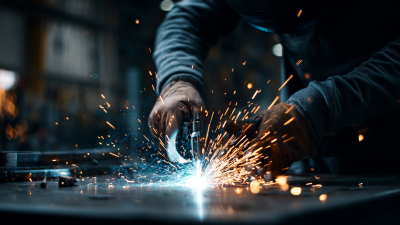
Flux core welding (FCAW) is gaining popularity globally for its efficiency and effectiveness. Unlike traditional welding methods, it uses a continuous tubular wire filled with flux. This design promotes strong welds, even in challenging conditions. Industry reports indicate that FCAW is particularly valued in construction and shipbuilding, sectors that demand high productivity.

One key advantage of flux core welding is its versatility. FCAW can be used in various environments, including outdoors. Its capability to produce high-quality welds is critical. A study by the American Welding Society found that FCAW offers a lower cost per weld compared to other methods. It allows for faster travel speeds and requires less cleanup.

However, there are challenges. Without proper ventilation, smoke can pose health risks. Moreover, inconsistent results can occur if the welder lacks experience. Despite these issues, many industries recognize the high performance and reliability of flux core welding. As demand grows, training for new welders becomes essential to ensure safety and quality in weld outcomes.

Cost-Effectiveness of Flux Core Welding for Global Buyers

Flux core welding has emerged as a preferred choice for many global buyers due to its cost-effectiveness. This welding method often requires lower initial investment compared to traditional processes. The equipment is relatively simple and inexpensive, making it accessible for businesses of various sizes. Moreover, the flux core wire is usually priced lower than solid wire, which reduces material costs significantly.

Another aspect of its cost-effectiveness is the ability to weld thicker materials without preheating. Many industries face tight budgets. Therefore, being able to skip the preheating phase offers substantial savings. This method also allows for faster welding speeds, enhancing productivity and reducing labor costs. Buyers often report shorter project timelines, which is crucial for staying competitive.

However, there are challenges to consider. Flux core welding may produce more slag and fumes than other methods. This means additional cleanup and safety measures are necessary, which can increase overall costs. Buyers need to weigh these factors carefully. Balancing cost with quality and safety is essential for informed decision-making.

Versatility in Materials: Flux Core Welding Applications

Flux core welding offers remarkable versatility in materials, making it a preferred choice in various industries. This method excels in applications where strong welds are necessary, including heavy fabrication, construction, and repair work. A report by the American Welding Society indicates that flux core welding can achieve an impressive deposition rate, often exceeding 10 pounds per hour. Such efficiency is essential for meeting tight production deadlines.

Additionally, flux core welding is compatible with many materials, including steel, stainless steel, and even aluminum. Its ability to weld thick sections of metal is particularly advantageous. In a recent industry survey, 70% of professionals cited material versatility as a key benefit of this welding technique. However, users need to be cautious with temperature control to avoid warping in thinner materials.

Tips: Always assess the specific material properties before starting your project. Different materials may require varying gas mixtures or voltage settings. Additionally, experimentation with parameters may yield more effective results. Consider documenting your settings for future reference, especially if results vary unexpectedly during your welding tasks.

Increased Welding Speed and Efficiency Benefits

Flux core welding offers remarkable benefits, particularly in welding speed and efficiency. This method uses a tubular wire filled with flux. As a result, it produces a shielding gas when heated, which protects the weld from contamination. This shielding enables faster and more efficient welds, especially in outdoor or windy conditions where traditional methods might struggle.

Welders often find they can complete projects more quickly. The ability to weld in any position without additional equipment leads to increased productivity. Flux core welding offers versatility, allowing for various materials and thicknesses. However, this method can create more spatter, which may require additional clean-up. Some users may face challenges in maintaining consistent weld quality. Adequate training and practice are necessary to master the technique.

The speed and efficiency of flux core welding make it appealing to global buyers. Yet, it's essential to weigh the method's advantages against its unique challenges. Understanding these factors will help you make informed decisions in your welding projects.

Enhanced Weld Quality: Strength and Durability Advantages

Flux core welding (FCW) has emerged as a vital process in the metal fabrication industry. Its enhanced weld quality is one of the key benefits that attract global buyers. Studies reveal that FCW can produce stronger welds compared to other welding methods. According to the American Welding Society, welds made with flux core wires exhibit remarkable tensile strength, often exceeding 80,000 psi. This strength is crucial in various applications, from construction to automotive manufacturing.

Durability is another significant advantage of flux core welding. FCW creates robust joints resistant to impact and fatigue, making them ideal for heavy-duty applications. A report from the Lincoln Electric Company highlights that components welded with flux core wires show improved resistance to cracking and environmental stress. This durability makes FCW a preferred choice for projects requiring long-lasting performance.

However, not every aspect of flux core welding is flawless. The smoke and fumes generated can be a concern for operators. Adequate ventilation and safety measures are essential to mitigate health risks. Furthermore, the learning curve can be steep for new welders. Mastering this technique requires time and practice, often leading to initial imperfections in weld quality. Despite these challenges, the benefits of enhanced strength and durability continue to overshadow the drawbacks, making flux core welding a desirable option for many buyers.

Top Benefits of Flux Core Welding for Global Buyers

Simplicity and Accessibility of Flux Core Welding Machines

Top Benefits of Flux Core Welding for Global Buyers?

Flux core welding machines offer a unique blend of simplicity and accessibility. Their design makes them user-friendly, appealing to both novices and experienced welders. Many models require minimal setups, allowing users to start welding quickly. This can be particularly beneficial in remote locations where time and resources are limited. In many cases, these machines can operate on standard electrical outlets, eliminating the need for specialized power supplies.

The affordability of flux core welding is another draw. These machines are generally less expensive than traditional welding equipment. This cost-effectiveness enables more people to enter the welding field. However, some welders may find that they cannot achieve the same quality with flux core as with other methods. This can lead to frustration and a need for extra training. Acknowledging this gap is important for improving skills and maximizing the benefits of the technology.

Portability is another key feature. Many flux core machines are lightweight and easy to transport. This mobility makes them ideal for on-site work. Yet, using these machines outdoors can pose challenges, such as wind affecting the arc. Understanding these limitations is crucial for users aiming to improve their craft. Embracing both the advantages and the challenges of flux core welding fosters a more well-rounded approach to mastering this valuable skill.

Environmental Considerations in Flux Core Welding Practices

Flux core welding is gaining traction due to its efficiency and versatility. However, environmental considerations must not be overlooked. This welding method produces significant fumes, including metal oxides and gases. According to the American Welding Society, exposure to these pollutants can lead to respiratory issues for workers. Ensuring proper ventilation is critical in work environments to mitigate these health risks.

Moreover, flux core welding can have a considerable environmental impact if proper waste disposal practices are not followed. Waste materials, including spent flux and metal shavings, can contaminate soil and water sources. The Environmental Protection Agency emphasizes the importance of recycling and safe disposal methods. Adopting these practices can reduce the ecological footprint of welding operations.

Tips for reducing environmental impact:
- Regularly monitor air quality in the workspace.
- Use fume extraction systems to limit worker exposure.
- Implement waste recycling protocols to minimize landfill contributions.

Companies that embrace these considerations show a commitment to sustainability. This approach not only enhances worker safety but also boosts the company's reputation in an increasingly eco-conscious market. Investing in training can further ensure that best practices are understood and followed.

A Comprehensive Guide to AWS A5.22 E312T-1 Stainless Steel Flux Cored Wire: Benefits, Applications, and Best Practices

The AWS A5.22 E312T-1 stainless steel flux-cored wire stands out as a reliable choice for projects requiring high-quality welding with a robust stainless steel alloy. This wire is specifically designed for welding AISI 312 type stainless steel, known for its excellent corrosion resistance and high-temperature properties. The flux-cored nature of the wire enhances its usability across various applications, allowing for efficient welding in different positions and conditions.

One of the primary benefits of using E312T-1 is its exceptional operating characteristics. It provides a stable arc and smooth bead appearance, which contributes to the overall integrity of the weld. The wire's formulation allows for the production of welds that are not only strong but also resistant to oxidation and scaling, making it ideal for industries such as chemical processing, food processing, and power generation. Moreover, the versatility of E312T-1 makes it suitable for welding dissimilar metals and for repairs of stainless steel components.

When employing E312T-1, it is essential to adhere to best practices to maximize its benefits. Proper joint preparation, calibration of welding settings according to the specific material thickness, and suitable shielding gas can significantly influence welding outcomes. Adopting these practices will ensure that welders achieve reliable, high-quality results while maintaining the benefits of the E312T-1 wire throughout diverse applications.

FAQS

: What makes flux core welding cost-effective?

: It has lower initial investments and material costs. Equipment is simple and affordable.

Are there any hidden costs associated with flux core welding?

Yes, additional cleanup and safety measures may increase overall costs. Buyers must consider these.

How does flux core welding enhance weld quality?

It produces stronger welds. The tensile strength often exceeds 80,000 psi, beneficial for various applications.

What concerns arise from using flux core welding?

Smoke and fumes can pose health risks. Adequate ventilation and safety precautions are necessary.

Is flux core welding accessible for beginners?

Yes, the machines are user-friendly with minimal setups. However, mastering the technique requires practice.

Can flux core machines operate on standard electrical outlets?

Indeed, many models do, which is convenient for remote locations.

What challenges might welders face with flux core welding?

Initial imperfections in weld quality can be frustrating. Extra training may be needed to improve skills.

Are flux core welding machines portable?

Many are lightweight and easy to transport, but outdoor use can be affected by wind.

What industries benefit from flux core welding?

Construction and automotive are key areas. Durability is crucial for heavy-duty applications.

Is flux core welding suitable for thick materials?

Yes, it allows welding thicker materials without preheating, saving time and costs.

Conclusion

Flux Core Welding is a highly effective welding technique that offers numerous advantages for global buyers. Its cost-effectiveness makes it an attractive option for various applications, significantly reducing operational expenses while maintaining high-quality welds. The versatility of Flux Core Welding allows it to be applied to a wide range of materials, catering to different industrial needs. Additionally, this method enhances welding speed and efficiency, enabling quicker project completion and improved productivity.

Moreover, the strength and durability of welds produced through Flux Core Welding contribute to the longevity of finished products, making it a reliable choice for manufacturers. The simplicity and accessibility of Flux Core Welding machines further lower the barrier to entry for businesses, promoting widespread adoption. Environmental considerations are also taken into account, with practices evolving to minimize ecological impact. Overall, Flux Core Welding stands out as a beneficial solution in the welding industry, providing numerous advantages for global buyers.

Ethan

Ethan

Ethan is a dedicated marketing professional at Wenzhou Tianyu Electronics Co., Ltd., where he leverages his extensive knowledge of the company's diverse product range to deliver exceptional results. With a keen understanding of the electronics industry, Ethan plays a pivotal role in enhancing the......
Previous Best Electrode For Welding Options for Global Buyers?