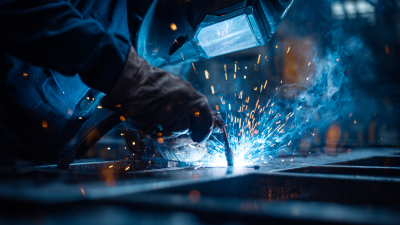
Picking the right wire weld for your projects can honestly feel overwhelming sometimes. I mean, according to the American Welding Society, making the wrong choice in welding wire can end up costing you big time with failures that could’ve been avoided. It’s pretty surprising, but about 10% of welding defects actually come from choosing the wrong wire — so it’s definitely a big deal to get it right. Understanding the different types of wire welds and knowing what they’re best suited for is really key if you want things to turn out well.
Welding technology has come a long way recently. The global market's been growing at over 4% annually, which is pretty impressive. Things like matching the right material and setting up the joint properly are super important, too. Industry giants like Lincoln Electric keep stressing that using the correct wire weld not only boosts productivity but also helps cut down on downtime — which we all know is a win.
That said, I get it — many folks still find it tricky to pick the right welding wire. Sometimes, a lack of clear info about specs and standards can lead to mistakes. So, it’s definitely worth asking yourself — are you up to speed with the latest standards? Because, honestly, the right wire weld can really make or break a project. But if you go in choosing the wrong one, you might run into unexpected problems down the line.
Choosing the right wire weld for your projects requires careful consideration of several key factors. One important aspect is the type of metal you plan to join. Different metals, such as steel, aluminum, or stainless steel, require specific wire weld types. For example, using a mismatched wire can lead to weak joints and potential failure during use.
Another factor is the thickness of the materials. Thicker materials may need a higher amperage and different wire to achieve a strong bond. Be mindful, too, of the environment where you will be welding. Outdoor projects may face challenges like wind or moisture, influencing your choice of wire.
Tips: Always test welds on scrap materials before starting your main project. Keep welders’ safety gear handy. This helps in assessing the welding process’s effectiveness. Consider seeking advice from experienced welders in your community. Their insights can enlighten your decisions. Reflect on previous projects. What worked well? What didn’t? This self-analysis is crucial for improvement.
When choosing the right wire weld for a project, understanding the different types is essential. Wire welds come in various forms, each designed for specific applications. For instance, MIG welding is often used for its speed and versatility. It's great for thinner materials. TIG welding, on the other hand, offers greater precision and is better for intricate work.
Flame welding is another option. It uses a gas-oxygen torch and is best for metals like brass and bronze. However, it requires more skill and can be slower. Knowing the material compatibility is crucial. Each method has its constraints. An inexperienced welder might overlook these details, leading to poor results or safety issues. Therefore, examining each type's pros and cons is vital for effective applications.
You may find that some welding techniques yield less appealing aesthetics. Surface finish may vary, calling for additional cleanup or treatment. It's a reminder that perfection in welding can be elusive. Engaging in such nuances can help in achieving a more reliable and effective outcome in your projects.
When selecting the right wire weld for your projects, material compatibility is crucial. Different metals react differently during welding. Understanding the properties of each material helps ensure a strong, lasting bond. For instance, stainless steel and aluminum have distinct thermal expansions. This can lead to warping or cracking if not addressed properly.
Additionally, consider the welding method. Techniques like MIG and TIG require different wire types. A mismatch can result in weak joints or excessive spatter. The right wire enhances performance and simplifies the process. Testing welds on scrap metal can reveal potential weaknesses. This step is often overlooked but can save time and resources in the long run.
Pay attention to environmental factors too. Some wires perform better in specific conditions, like humidity or temperature. If the materials are exposed to harsh environments, corrosion resistance becomes vital. Assessing all these elements leads to better project outcomes. Refining this selection process requires experience and an eye for detail. Learn from past projects to improve future choices.
When selecting the right wire weld for your projects, key specifications play a crucial role.
Diameter significantly impacts the strength
and application of the weld. Generally, a diameter range of 0.045 to 0.068 inches
is common for various projects. It is important to match the diameter to the thickness of the materials being welded.
Tensile strength is another vital specification.
A wire with a tensile strength of at least 70,000 psi is often recommended for structural applications.
Data from industry reports indicate that higher tensile strength improves durability in high-stress environments.
However, using a wire with excessive tensile strength may lead to difficulties in handling and melt penetration.
Composition also matters when choosing wire welds.
Most wires are made from mild steel, but variations exist. For instance, using a wire with silicone can enhance deoxidation,
preventing weld defects. Pay attention to the composition details to suit different applications.
Tips:
Always consider the specific requirements of your project.
Testing various wires can lead to unexpected findings.
It's wise to consult a welding specialist for insight into material performance in situ.
When preparing for wire welding, the setup process is vital for success. Begin with a clean work surface. Remove rust and contaminants. This simple step can greatly improve weld quality. Properly aligned materials reduce the risk of defects. Misalignment can lead to weak joints.
Tips: Keep your workspace organized. Clutter can distract you. Use markers to denote welding areas. This helps maintain focus.
Pay attention to your equipment. Regular maintenance of your welder is essential. Inspect cables and contact tips frequently. Worn parts may cause inconsistent results. Understand the type of wire being used; each has unique characteristics. This knowledge can prevent misfires during welding.
Tips: Test weld on scrap metal first. This can reveal any issues before you begin the actual project. Adjust settings as needed based on these trials. Remember, patience in preparation pays off in the long run.
When selecting wire welds, it's crucial to consider industry standards and certifications. These benchmarks ensure that weld quality meets safety and performance expectations. For example, the American Welding Society (AWS) sets comprehensive standards that govern welding materials and techniques.
Data indicates that adhering to these guidelines can enhance project longevity by up to 30%. Notably, welds certified by AWS or the International Organization for Standardization (ISO) often result in higher structural integrity. Projects utilizing certified welds tend to have a failure rate reduced by as much as 25%, significantly decreasing the risk of costly repairs.
However, it's essential to understand that not all certifications guarantee flawless workmanship. Some welds may meet specified codes but still exhibit weaknesses. Continued training and education for welders are imperative. Awareness of evolving standards is key, as technology and techniques in welding are always advancing. Balancing certification compliance with hands-on experience allows for better outcomes in various applications.
Choosing the right wire weld involves balancing quality and cost. Quality is crucial for durability and performance. However, many projects operate under tight budgets. This creates a challenge for project managers and engineers alike. They need to find a balance that doesn’t compromise strength.
When evaluating costs, consider both the material and labor. Quality wire welds may require a higher initial investment. Over time, they can save money through reduced failures and maintenance. Cheaper options might be tempting. But poor quality can lead to significant problems later.
Research is vital before making decisions. Consulting with experienced professionals can provide valuable insights. Understanding the specific requirements of a project helps in making informed choices. Reflection on past projects can clarify the balance between cost and quality. Make sure to assess the long-term implications of your decisions on project success.
| Weld Type | Material | Cost per Unit | Durability Rating | Best Use Cases |
|---|---|---|---|---|
| MIG Weld | Mild Steel | $0.40 | Good | Construction, Automotive |
| TIG Weld | Stainless Steel | $0.60 | Excellent | Aerospace, Food Industry |
| Stick Weld | Carbon Steel | $0.50 | Fair | Outdoors, Heavy Equipment |
| Flux-Cored Weld | Mild Steel | $0.45 | Good | Pipe Welding, Construction |
| Submerged Arc Weld | Mild Steel | $0.70 | Excellent | Large Fabrications |
ER410NiMo solid welding wire is a martensitic stainless steel option that provides unique advantages for various welding applications. Composed of 11.0 - 12.5% chromium, 4.0 - 5.0% nickel, and 0.40 - 0.70% molybdenum, this wire excels in corrosion resistance and mechanical strength, making it ideal for use in environments where resistance to oxidation and corrosion is necessary. Its composition allows for excellent weldability, which is essential in applications requiring high-quality seams and structural integrity.
The applications of ER410NiMo are diverse, ranging from pressure vessels to piping systems in the chemical and petrochemical industries. Due to its exceptional toughness and readiness to perform under high-stress conditions, it is particularly suited for components exposed to elevated temperatures and harsh environments. Best practices for using ER410NiMo include proper joint preparation and preheating for thicker sections, which can minimize the risk of cracking and ensure a reliable weld. Following these guidelines will maximize the benefits of this robust welding wire, making it a valuable choice for engineers and welders seeking durable and resistance-grade solutions.
: Industry standards ensure weld quality meets safety and performance expectations. They guide materials and techniques.
Following guidelines can enhance project longevity by up to 30%. This boosts structural integrity significantly.
No, certifications don’t promise perfect work. Some certified welds may still have weaknesses.
Ongoing training helps welders stay updated with evolving standards and techniques. Knowledge improves workmanship quality.
Balance quality with budget constraints. Quality may need a higher investment, but it saves money in the long run.
Cheaper options might lead to significant problems. Poor quality can result in failures and costly repairs.
Reflection clarifies decisions about cost and quality. It provides insights into achieving successful project outcomes.
Yes, experienced professionals offer valuable insights. They help ensure informed choices for specific project needs.
Consider the long-term effects of quality decisions on success. Poor choices can impact future project performance.
No, some methods may be more effective than others. Evaluating techniques is key for optimal results.
When selecting the right wire weld for your projects, it's essential to consider various factors such as the specific application, material compatibility, and the desired performance characteristics. Different types of wire welds serve unique purposes and are influenced by their diameter, tensile strength, and material composition. Evaluating these specifications will help ensure optimal performance and reliability in your welding tasks.
Moreover, preparing and setting up for wire welds correctly is crucial for achieving quality results. Familiarity with industry standards and certifications can provide further assurance of weld quality. Lastly, conducting a thorough cost analysis allows you to balance quality with budget constraints, ensuring that your projects remain both effective and economically viable. Understanding these elements will lead to successful wire weld applications in various projects.