
Selecting the correct welding electrode is critical for stainless steel projects from kitchen equipment to chemical components to prevent weak welds, corrosion, or discoloration. The most common electrodes are from the E308, E309, E316, and E312 series. The right choice depends on the specific stainless steel grade and project requirements, ensuring a strong, corrosion-resistant, and visually acceptable weld.
Understanding Stainless Steel Welding Electrodes
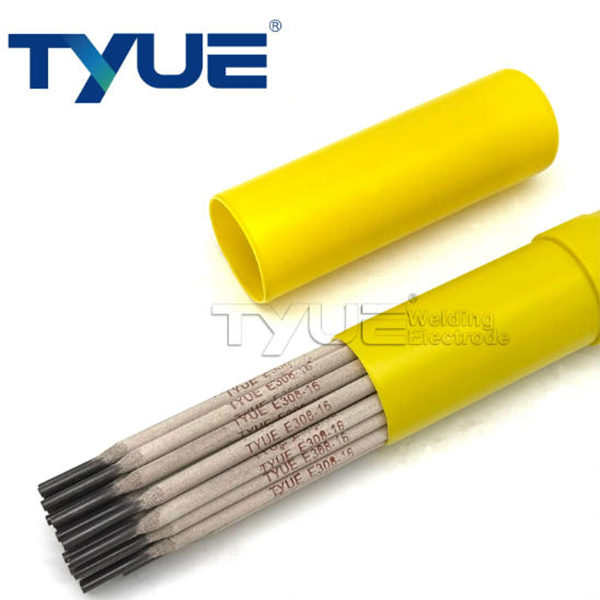
A Stainless Steel Welding Electrode is a flux-coated metal rod designed to match the composition of the base metal. The flux stabilizes the arc, shields the molten weld pool from oxygen and nitrogen, and helps form a protective slag. The key to success is matching the electrode’s alloy content closely to the stainless steel grade you are welding. This maintains the corrosion resistance and mechanical properties of the finished weld.
Popular Electrode Types for Common Stainless Steels
Here’s a guide to the most frequently used Stainless Steel Welding Electrode types:
1. E308L-16
- Best For: Welding 304 and 304L austenitic stainless steels, the most common grades used in food service, architectural, and general fabrication.
- Why: The “L” denotes low carbon content, which minimizes carbide precipitation and prevents corrosion in the heat-affected zone. This is the general-purpose workhorse electrode.
2. E316L-16
- Best For: Welding 316 and 316L stainless steels, which contain molybdenum.
- Why: The added molybdenum provides superior resistance to pitting corrosion, making it ideal for chemical, marine, and pharmaceutical applications where exposure to chlorides is a concern.
3. E309L-16
- Best For: Dissimilar welding, such as joining stainless steel to mild steel or for overlaying carbon steel with a stainless surface. Also used for welding 309 stainless itself.
- Why: It has a higher chromium and nickel content, which helps dilute the carbon from the mild steel and prevents the formation of a hard, brittle martensitic zone in the weld.
4. E312-16
- Best For: Welding dissimilar steels with high alloy content or for joining unknown stainless grades where cracking is a risk.
- Why: It produces a weld deposit with a high ferrite content, which provides excellent resistance to hot cracking and is very forgiving on varying base metals.
Key Factors in Choosing the Right Electrode
1.Match the Grade: Always try to match the electrode to the base metal grade. Check the material certification or use a spectrometer if unsure.
2.Consider the Service Environment: Will the weld be exposed to high temperatures, acids, or saltwater? For harsh environments, 316L is often required.
3.Welding Position: The suffix “-16″ indicates the flux type and that the electrode is suitable for all welding positions (flat, horizontal, vertical, overhead).
4.Finish and Cleanability: For applications where hygiene or appearance is vital (like dairy or visible welds), ensure you use electrodes designed for a smooth, easy-to-clean bead with minimal spatter.
Essential Tips for Successful Stainless Steel Welding
Stainless steel conducts heat more slowly than carbon steel and is prone to distortion. Follow these best practices:
1.Use Lower Heat Input: Keep amperage at the lower end of the recommended range and use a stringer bead technique to minimize heat buildup and distortion.
2.Maintain a Short Arc Length: This improves gas shielding and reduces the risk of porosity.
3.Clean Meticulously: Remove all oil, grease, paint, and marking inks from the joint area. Use a dedicated stainless steel brush to avoid carbon steel contamination.
4.Use Back Purging (for critical welds): When welding pipe or where the back side is exposed to service, use an inert gas on the back side to prevent sugaring a rough, oxidized weld interior that kills corrosion resistance.
Sourcing Quality Welding Consumables
For welders, fabricators, and maintenance teams, the consistency of your electrodes directly impacts weld quality, productivity, and project cost. Defective or improperly formulated rods can cause rework, failures, and safety issues. When sourcing Stainless Steel Welding Electrode products, professionals often prioritize suppliers that offer reliable performance along with practical procurement advantages.
Manufacturers that adhere to recognized international standards provide assurance of quality and performance. For workshops, shipyards, or construction firms that undertake substantial or recurring projects, access to competitive volume pricing and a dependable global supply network can streamline operations and improve budgeting. Partnering with a supplier that carries a comprehensive selection of welding materials also simplifies inventory management, ensuring the right electrode is always available for the job at hand.
Final Recommendation
Selecting the correct electrode is essential. For common 304/304L stainless steel, start with E308L-16. For marine or chemical service with 316 steel, use E316L-16, but always confirm the base metal and requirements first. Successful welding also hinges on controlling heat input and maintaining impeccable cleanliness. By using the proper stainless steel welding electrode and technique, you can produce clean, strong, and corrosion-resistant welds that meet high standards.
Post time: Dec-25-2025