
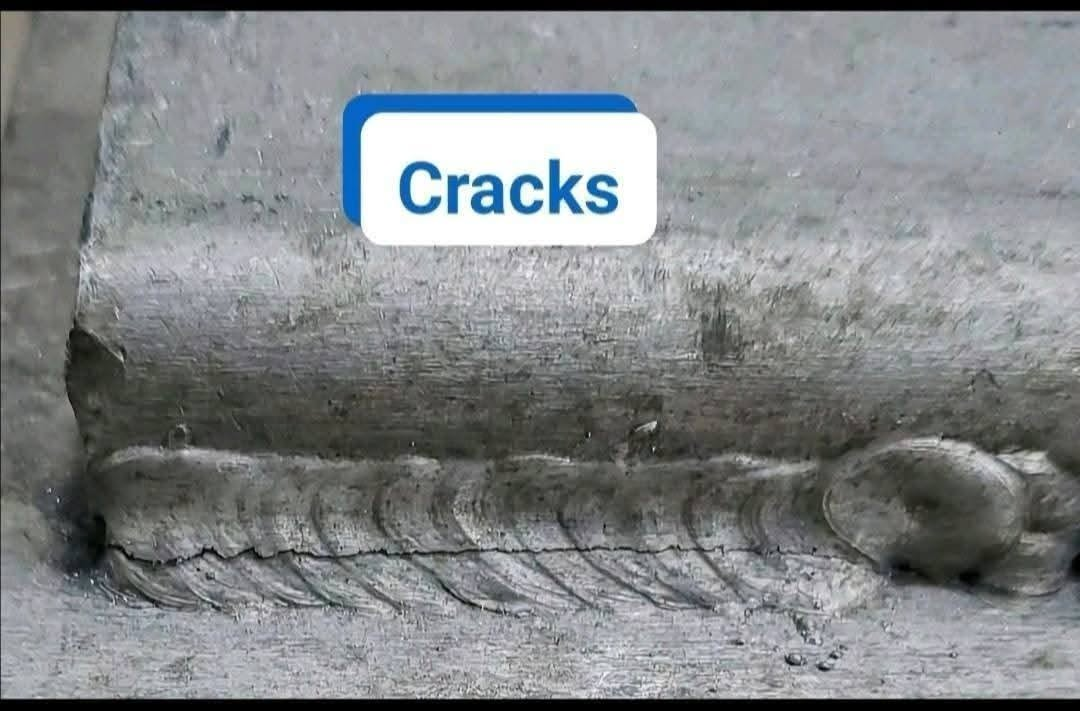
1) Crack:
Crack is the most serious weld defect. They will eventually cause a weld to fail and welding contractors go to great lengths to avoid them. Welds are under continual internal stress from fatigue, bending, flexing and expansion/contraction and cracking occurs when the internal stresses exceed either the base metal, the weld metal or both.
• Hot cracks: happen at temperatures over 1,000℃ and are usually caused by contaminatin or material problems.
• Cold cracks: occur after the weld has cooled, usually caused by hydrogen diffusion, and crater cracks appear because the weld pool does not have enough volume. Preparing welds carefully, choosing the correct materials and storing them safely will help to prevent cracking.
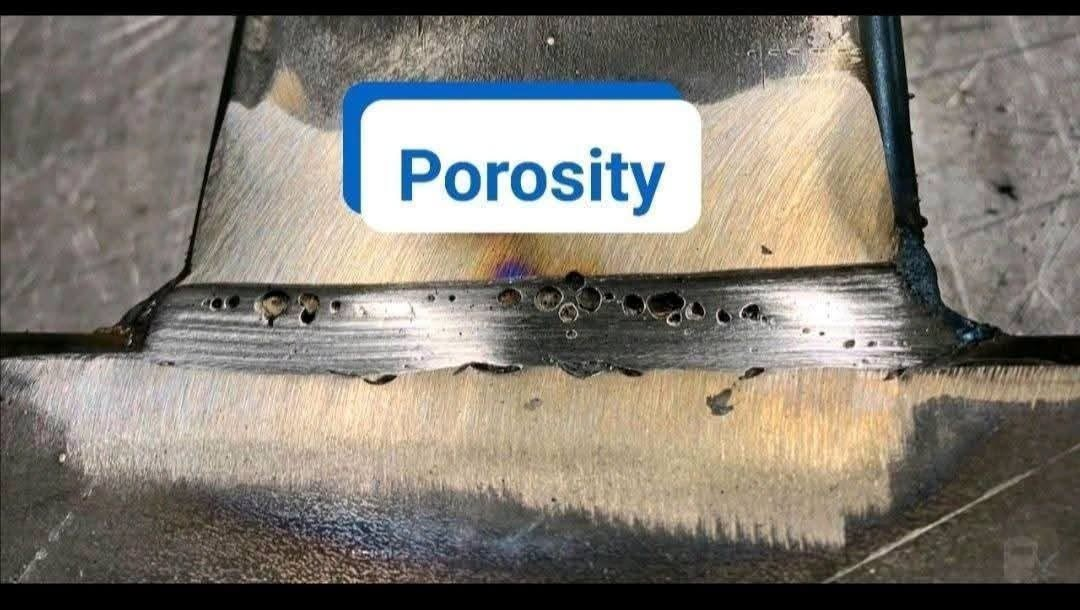
2)Porosity:
Porosity is the formation of holes in the weld pool resulting from gas bubbles that cannot escape. It is usually one of the common welding defects.
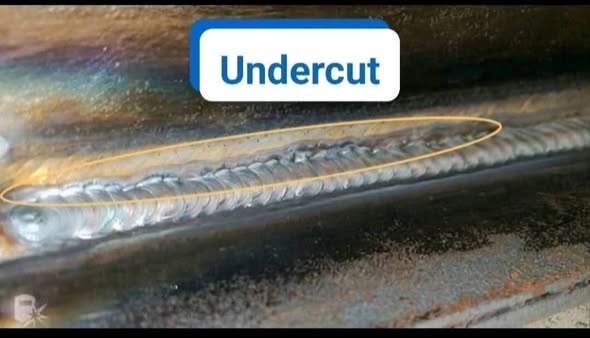
3) Undercut:
The undercut welding defect can be formed either due to excessive use of current melting and joining the edges.
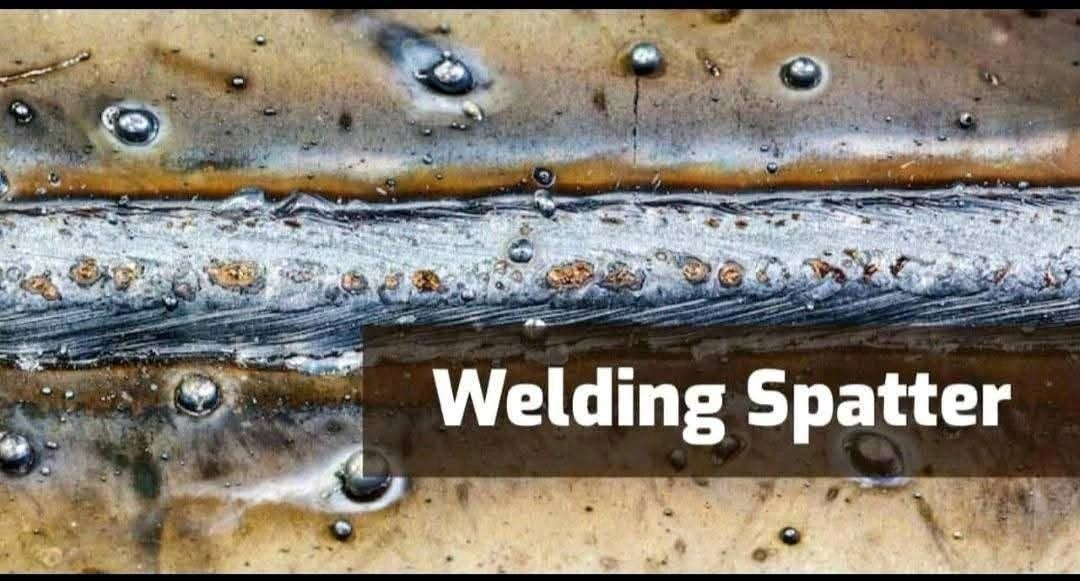
4) Welding Spatter:
Spatter is a welding defect that occurs when metal droplets are discharged on the metal surface.
5) Overlap:
The weld metal causes an overlap welding defect by spreading along the bead This is usually a result of the improper mixing of the filler metal.
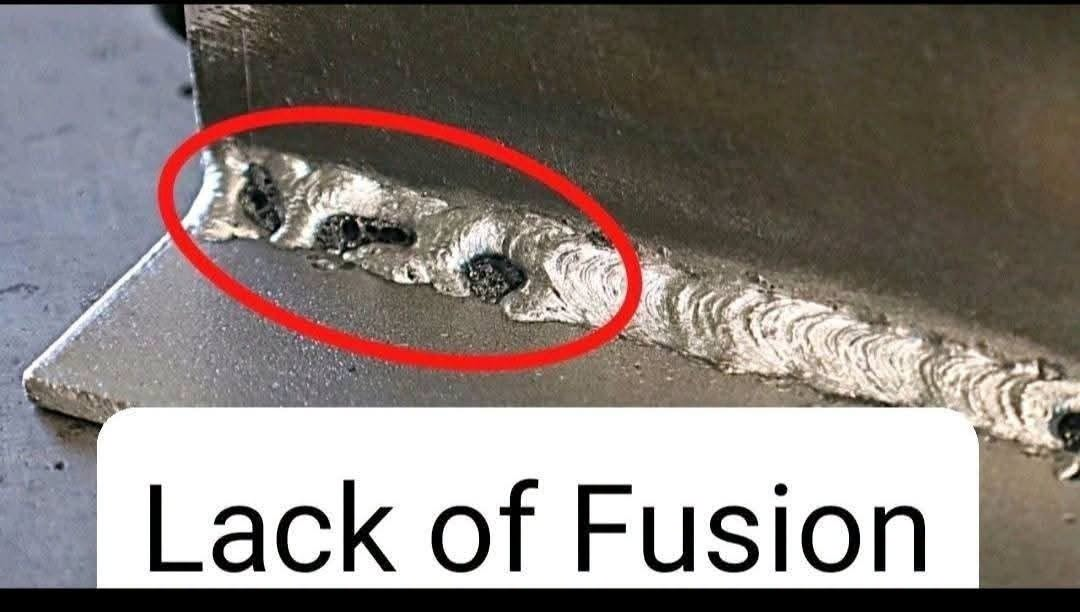
6) Lack of fusion:
Lack of fusion (LOF) is a structural defect in welding that occurs when the molten metal doesn’t melt enough of the parent metal.
7) Incomplete Side wall fusion:
Lack of side wall fusion (LOSWF) is a welding defect that occurs when the weld metal doesn’t completely fuse with the side of the joint. It can be caused by a number of factors, including poor welding technique, incorrect joint design, or improper welding parameters.
Post time: Aug-21-2026