
When it comes to welding in engineering, getting a good handle on different techniques is key to nailing your projects. I remember reading a quote from Dr. John Smith, a well-known welding expert from WeldTech Industries, who said, “The right technique can really make or break your weld.” That stuck with me because it just shows how important it is to understand the wide range of methods out there.
Engineering welding isn’t just one-size-fits-all. There are a bunch of techniques, each suited for different materials and jobs. For instance, MIG welding is popular because it’s fast and pretty straightforward, while TIG welding offers better precision and control. But honestly, choosing the right method isn’t always obvious — it takes experience and some careful thinking. You really need to look at the specific project details to avoid mistakes that could lead to weak spots or even safety issues.
Sometimes, engineers trip up when picking a welding method. Maybe they underestimate how a material behaves or overlook environmental factors like humidity or temperature. Those little errors can end up costing a lot in terms of rework or, worse, risking safety. The good news is, the field keeps evolving, so it’s super important to stay in the loop with new innovations. Mixing tried-and-true techniques with fresh technologies can really boost the quality of your welding projects and give you that extra edge.

Overview of Engineering Welding Techniques
Engineering welding techniques are critical for achieving strong, durable joints in various projects. Each method has its unique advantages and applications. For example, MIG welding is popular for its speed and versatility, often used in automotive industries. On the other hand, TIG welding is favored for its precision and control, making it ideal for delicate materials, like aluminum.
When choosing a welding technique, consider the materials involved. Some methods work better with specific metals. Additionally, think about the position and environment of the welding process. Factors such as space limitations and the presence of contaminants can affect the weld quality. Proper training is crucial too; understanding each technique's nuances can prevent mistakes.
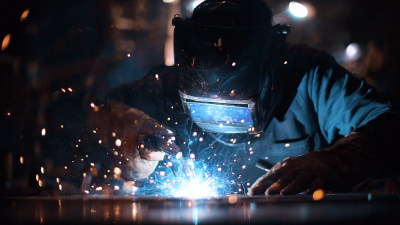
Consider safety practices seriously. Always wear appropriate protective gear. Welding can produce harmful fumes and sparks. Keep a fire extinguisher nearby. Reflecting on past projects can improve future outcomes. If a weld fails, analyze the cause. Was the method chosen appropriate? Identifying issues can lead to better decision-making in upcoming projects.
Enhancing Welding Durability: A Comprehensive Review of AWS E9016-B3 Heat Resistant Steel Welding Electrode R406
Welding durability has become increasingly critical in various industrial applications, particularly in sectors that demand high performance under extreme conditions. The AWS E9016-B3 heat-resistant steel welding electrode, known as R406, stands out as an exceptional choice due to its unique formulation. This pearlitic electrode features a low-hydrogen potassium coating, which minimizes the risk of hydrogen-induced cracking while enhancing weld quality. The addition of 2.5% chromium and 1% molybdenum further reinforces its properties, ensuring superior performance at elevated temperatures.
The exceptional characteristics of R406 make it an ideal solution for welding projects that require enhanced heat resistance and mechanical strength. The chromium and molybdenum alloying elements contribute to improved toughness and resistance to oxidation, making it suitable for applications in the power generation, petrochemical, and manufacturing industries. Moreover, the low-hydrogen coating helps in achieving cleaner welds with reduced porosity and better overall integrity, making it a reliable choice for engineers and craftsmen seeking durability and resilience in their welding applications.
In conclusion, the R406 (AWS E9016-B3) electrode represents a significant advancement in welding technology, providing enhanced durability and reliability for demanding environments. Its specialized composition not only meets industry standards but also offers welders the confidence they need to tackle complex projects without compromising quality.

FAQS
: Consider the material type, project scope, complexity, and cost. Each factor influences the outcome significantly.
Different metals require specific welding techniques. This knowledge ensures optimal weld quality and strength.
Large projects may benefit from automated welding methods, offering speed. However, balance speed with flexibility is crucial.
Always wear protective gear and keep a fire extinguisher nearby. Harmful fumes and sparks can pose serious risks.
Yes, analyzing past failures can identify techniques or materials that need adjustment. Learning is essential for growth.
Overheating can warp materials and weaken welds. Understanding heat conductivity helps prevent these issues.
No, analyze long-term costs, including maintenance. Initial low costs may hide expenses that impact project success.
Practicing on scrap allows for error without major consequences. Each mistake teaches valuable lessons for future projects.
Precision is vital, especially for delicate materials like aluminum. Ensuring a clean finish impacts overall quality.
Take the time to research and understand techniques. Experimentation fosters new insights and enhances your skills.
Conclusion
Engineering welding is a crucial aspect of modern manufacturing and construction, enabling the joining of various materials for a wide range of applications. This article explores the best engineering welding techniques tailored to specific projects, starting with an overview of various welding methods. It discusses common processes such as MIG, TIG, and stick welding, along with critical factors to consider when selecting the appropriate technique, like material type and application requirements.
Moreover, the article delves into the comparison of different welding techniques based on material types, highlighting the most effective methods for structural applications and pipe and tube fabrication. As technology evolves, the article also addresses future trends in welding, emphasizing innovations that could enhance efficiency and quality in engineering welding projects. Understanding these techniques can significantly improve the outcomes of engineering projects, ensuring stronger and more reliable constructions.
Related Posts
-
Challenges with Welding Quality Control in Global Supply Chains
-

2025 How to Master Welding Techniques for Beginners and Professionals
-

Top Strategies for Achieving Optimal Results with Best Welding Me Techniques
-

Top 10 Benefits of Engineering Welding in Modern Manufacturing Processes
-

How to Master Engineering Welding Techniques for Beginners?
-

Top Engineering Welding Techniques for 2026 What to Know?
