
1. Description & Applications
ER309LMo is an extra-low carbon, molybdenum-bearing austenitic stainless steel solid wire designed for MIG (GMAW) and TIG (GTAW) welding.
- Molybdenum Addition (Mo 2.0-3.0%): Enhances resistance to pitting corrosion, crevice corrosion, and high-temperature strength.
- Dissimilar Metal Joining: Ideal for welding stainless steels (such as 316, 316L, 304) to carbon or low-alloy steels, as well as welding stainless steel clad steels.
- Extra Low Carbon (C ≤ 0.03%): Reduces carbide precipitation, ensuring excellent resistance to intergranular corrosion.
- Key Applications:
- Petrochemical and chemical processing equipment.
- Pulp and paper industry machinery.
- Marine and offshore engineering components where enhanced corrosion resistance is required.
2. Classification & International Standards
- AWS A5.9 / ASME SFA-5.9: ER309LMo (similar / matching AWS specification range)
- EN ISO 14343-A: G 23 12 2 L / W 23 12 2 L
- GB/T 17854: H0Cr23Ni13Mo2
3. Chemical Composition of Weld Metal (wt %)
| Element | C | Si | Mn | Cr | Ni | Mo | P | S | Cu |
| AWS / Standard Spec | ≤ 0.03 | 0.30 – 0.65 | 1.00 – 2.50 | 22.0 – 25.0 | 12.0 – 14.0 | 2.00 – 3.00 | ≤ 0.030 | ≤ 0.030 | ≤ 0.75 |
| Typical Value | 0.020 | 0.45 | 1.60 | 23.50 | 13.00 | 2.50 | 0.015 | 0.008 | 0.10 |
4. Mechanical Properties of All-Weld Metal
| Property | Typical |
|---|---|
| Yield strength Rp0.2 | 400-510 MPa |
| Tensile strength Rm | 600-660 MPa |
| Elongation A5 | 26-38% |
| Impact energy KV (+20°C) | 90-140 J |
| Impact energy KV (-40°C) | 89-90 J |
| Impact energy KV (-60°C) | 65 J |
| Hardness | ~210 HB |

5. Usage Notes
- Pre-weld cleaning: Thoroughly remove oil, moisture, rust, and contaminants from the weld area .-3
- Dilution control: For buffer layer applications, control dilution to maintain target ferrite content and achieve 316-class composition in the first layer .-1-18
- Interpass temperature: Recommended ≤150°C.
- Wind protection: Use shielding when wind speed exceeds 1.5 m/s to prevent porosity .-8
- Ferrite control: Typical FN 8-10; verify for specific corrosion or high-temperature applications .-6-9
- Back shielding: Use argon or nitrogen backing gas to avoid back-end rust .-
Related Products
-
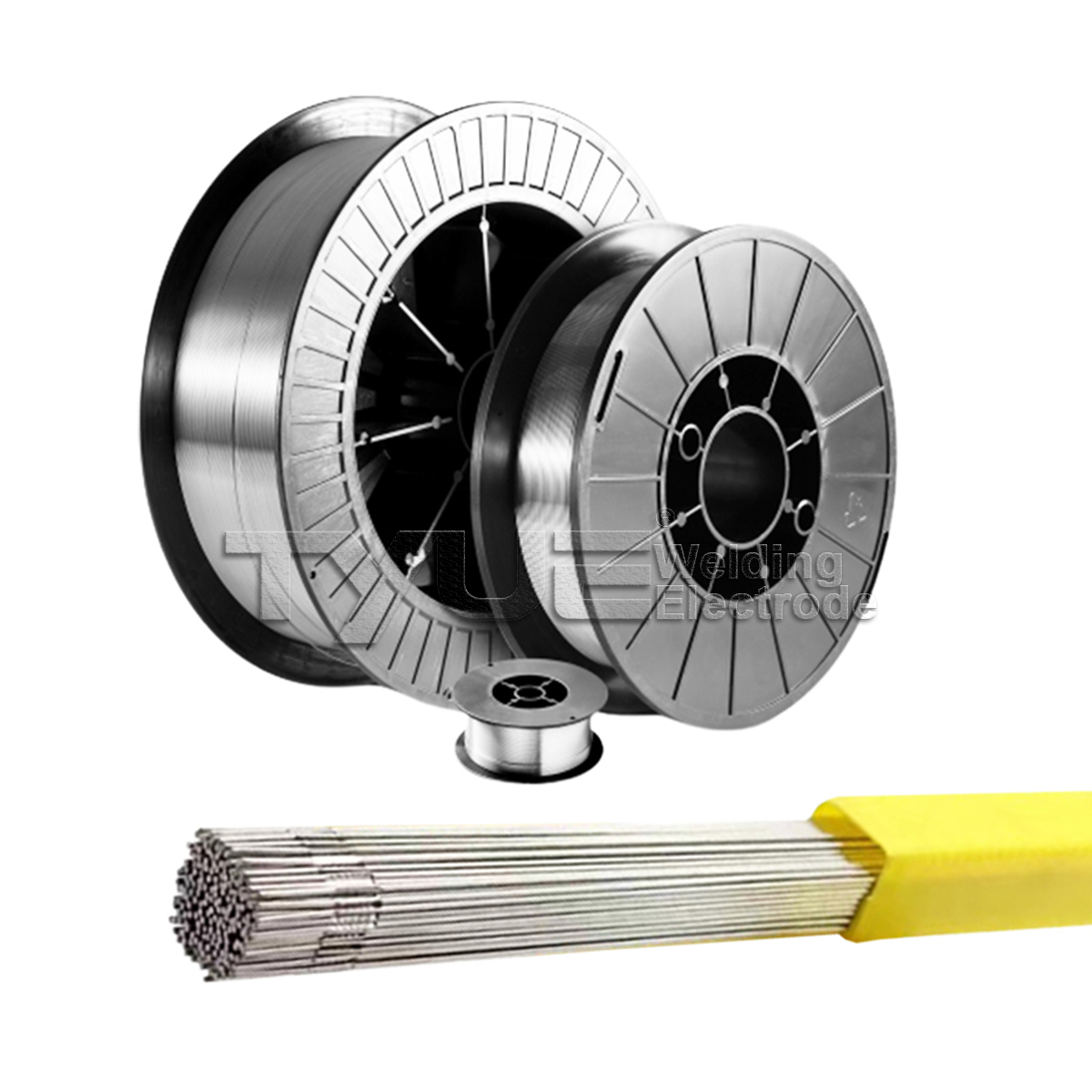
AWS ER420 Stainless Steel Welding Wire MIG and ...
-
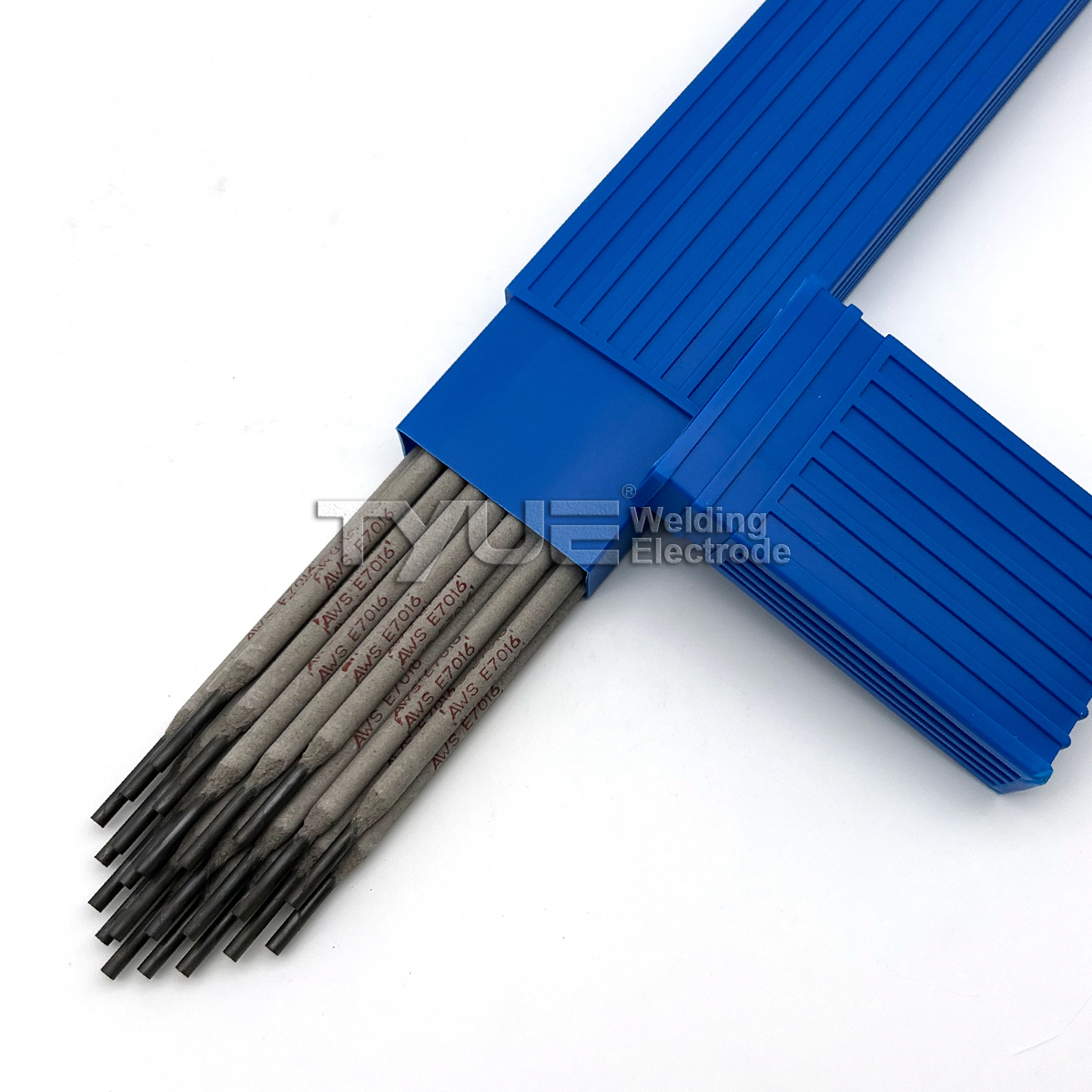
AWS E7016 Welding Rods for Arc Welding Low Hydr...
-
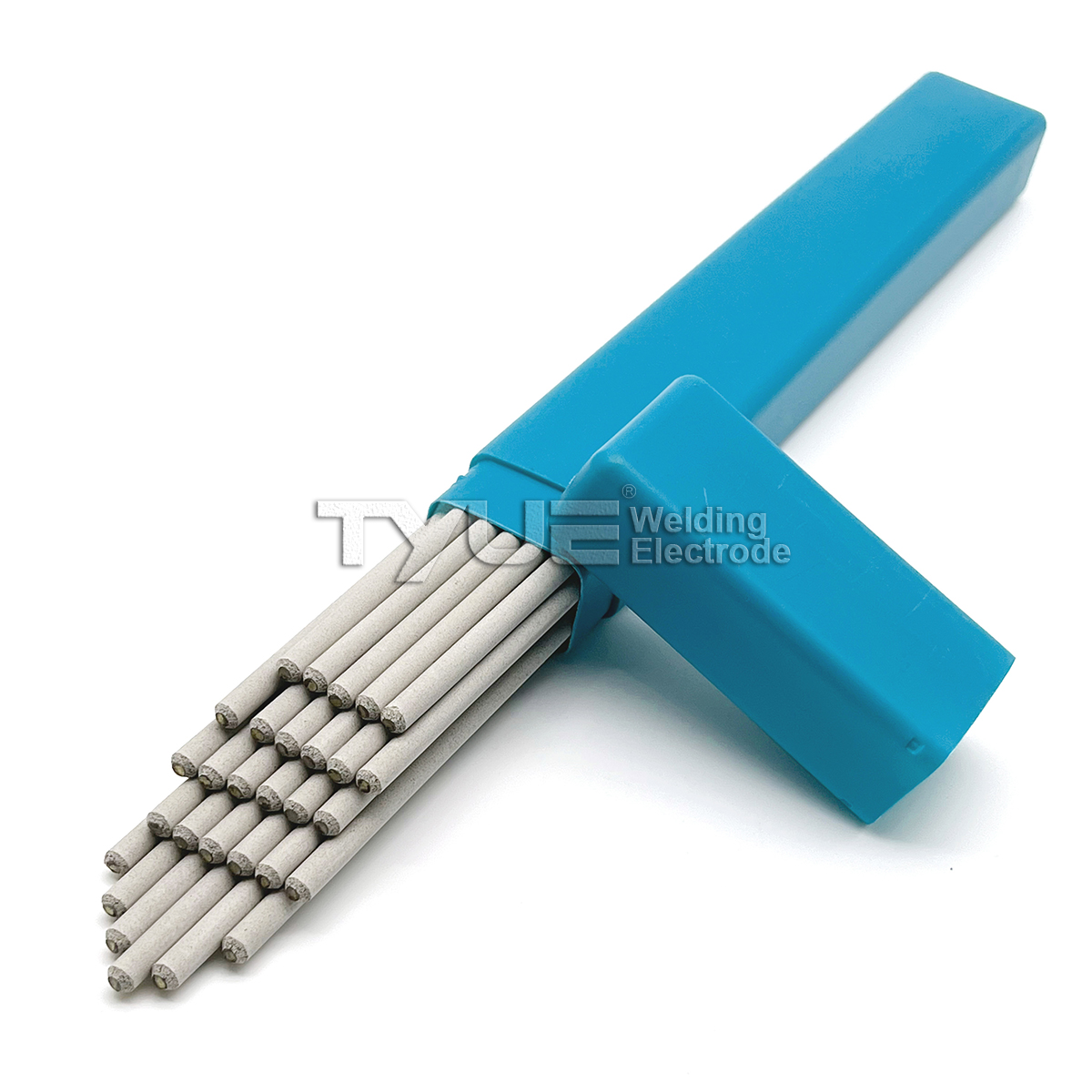
AWS E10015-D2 Welding Electrodes Low temperatu...
-
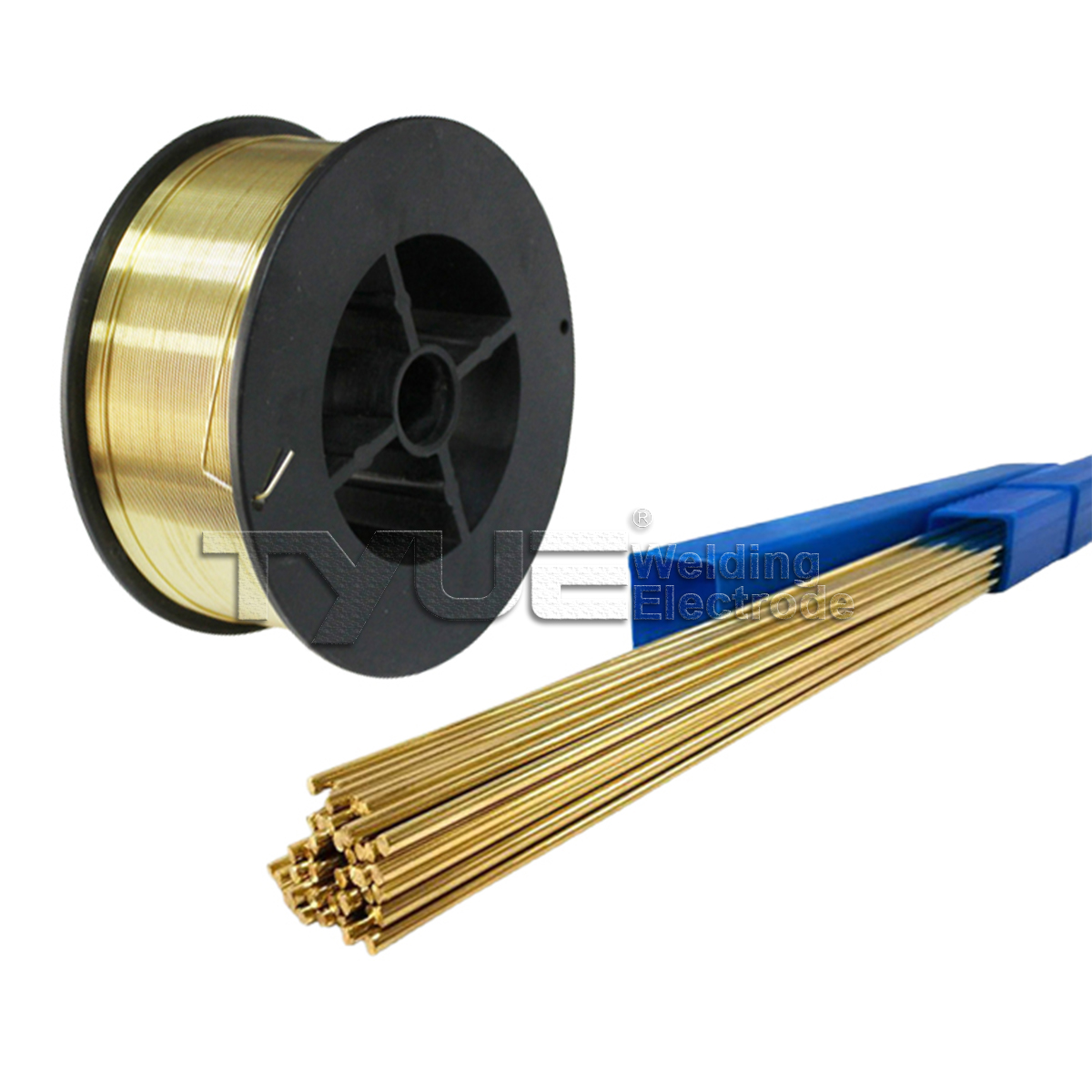
AWS A5.7 ERCuSn-C Copper Alloy Welding Wire Bra...
-
Nickel and Nickel Alloy Welding Electrode AWS A...
-
ER316H Stainless Steel Welding Wire MIG and TIG...