1. Description & Applications
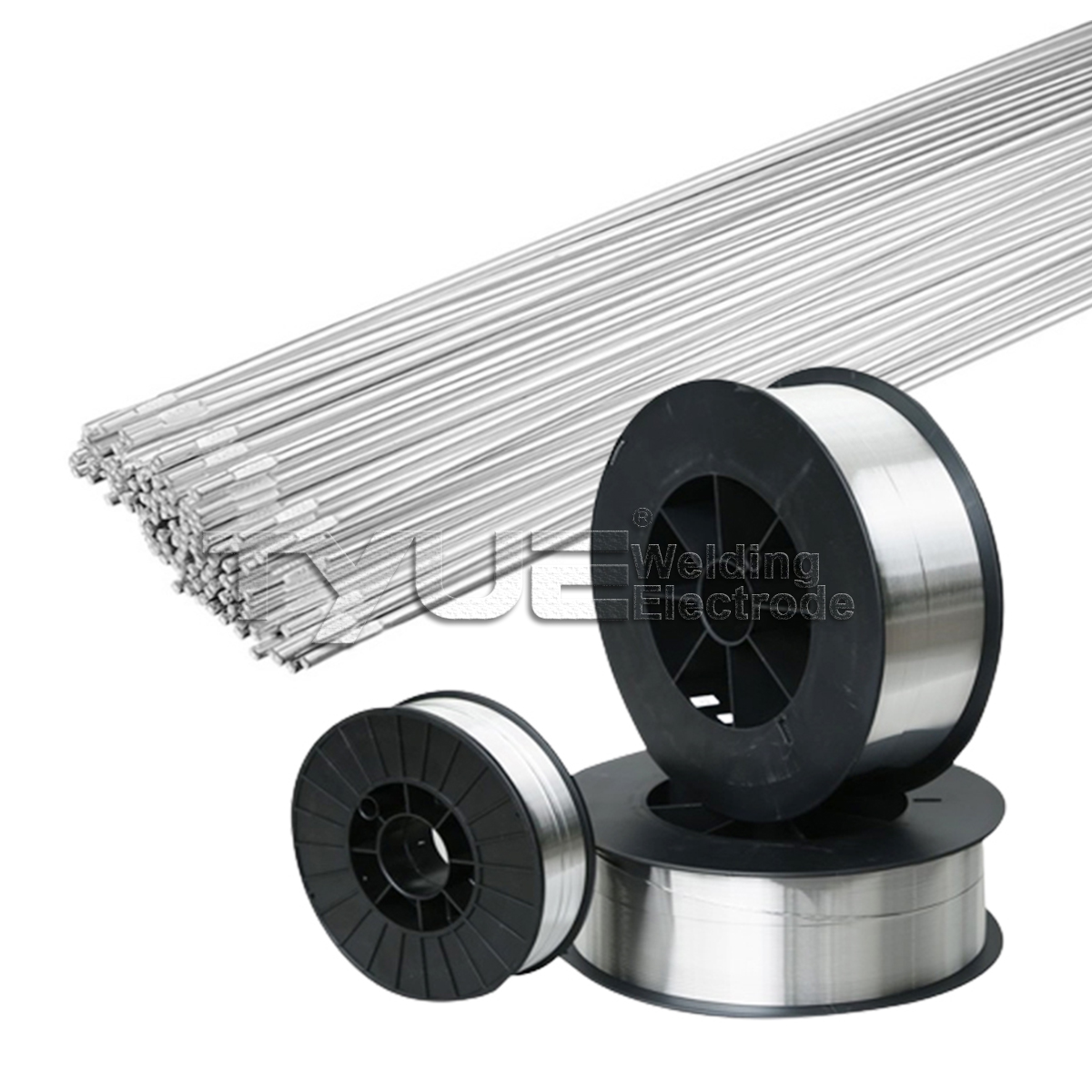
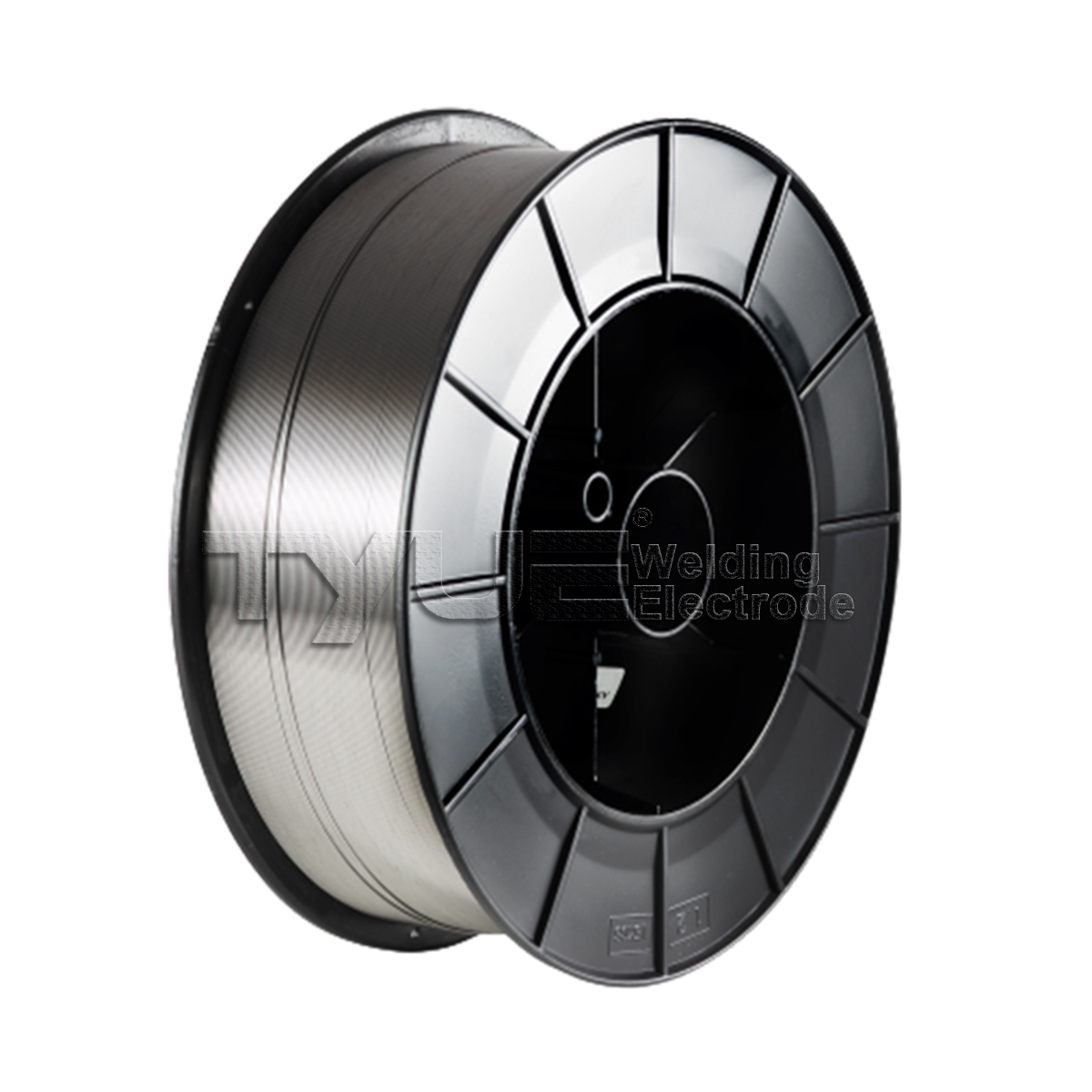
ER430 is a 17% chromium ferritic stainless steel solid wire/rod designed for MIG (GMAW) and TIG (GTAW) welding.
- 17% Chromium Ferritic Alloy: Provides excellent resistance to atmospheric corrosion, nitric acid, and organic acids, along with good high-temperature oxidation resistance.
- Preheating Recommendation: Generally requires preheating and interpass temperature control (150-250°C) to prevent brittle welds, followed by annealing if maximum ductility is required.
- Key Applications:
- Welding 17% Cr ferritic stainless steels (AISI 430, EN 1.4016).
- Automotive exhaust systems, mufflers, and tailpipes.
- Architectural trim, food processing equipment, and nitric acid storage tanks.
2. Classification & International Standards
- AWS A5.9 / ASME SFA-5.9: ER430
- EN ISO 14343-A: G Z 17 / W Z 17 (or equivalent ferritic grade)
- GB/T 17854: H0Cr17
3. Chemical Composition of Weld Metal (wt %)
| Element |
C |
Si |
Mn |
Cr |
Ni |
Mo |
P |
S |
Cu |
| AWS A5.9 Spec |
≤ 0.12 |
≤ 0.50 |
≤ 0.60 |
16.0 – 18.0 |
≤ 0.60 |
≤ 0.75 |
≤ 0.030 |
≤ 0.030 |
≤ 0.75 |
| Typical Value |
0.06 |
0.40 |
0.50 |
16.80 |
0.30 |
0.10 |
0.015 |
0.008 |
0.10 |
4. Mechanical Properties of Weld Metal (typical)
| Property |
Typical |
Range |
| Yield strength Rp0.2 |
320-340 MPa |
≥300 MPa |
| Tensile strength Rm |
460-480 MPa |
≥450 MPa |
| Elongation A5 |
21-22% |
≥20% |
| Hardness (as-welded) |
~225 HB |
- |
5. Main Applications
- Welding of 430-type ferritic stainless steels: AISI 430 (UNS S43000), 10Cr17, and similar 17%Cr grades
- Automotive exhaust systems: exhaust pipes, mufflers, catalytic converter components
- Hardfacing and overlay: sealing surfaces in steam, gas, and water fittings
- Cladding: stainless clad steel (403, 405) cladding-side welding
- Dissimilar joints: Cr steel to carbon steel
- General heat and corrosion resistant applications
6. Usage Notes
- Preheat: Required for thicker sections. Recommended preheat temperature of 150-300°C depending on wall thickness .
- Post-Weld Heat Treatment (PWHT): Essential for optimum properties. Typical PWHT: 730-780°C for 1-2 hours .
- Heat input: Use low heat input and preferably pulsed arc welding .
- Pre-weld cleaning: Thoroughly remove rust, moisture, oil, and contaminants.
- Wind protection: Use shielding when wind speed exceeds 1.0-1.5 m/s to prevent porosity .
- Back shielding: Argon backing gas recommended for root protection
Previous:
ER310 Stainless Steel Welding Wire / Rod
Next: